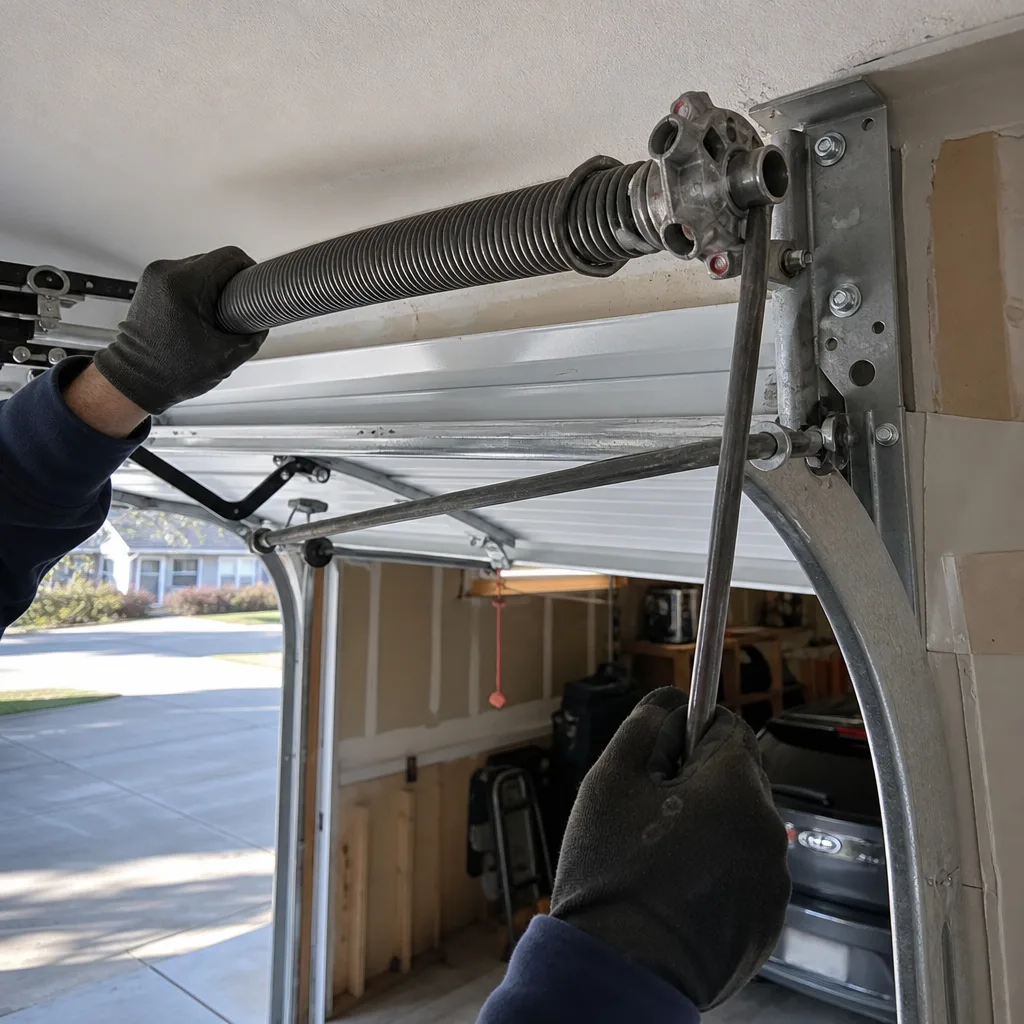
Last updated November 20, 2026
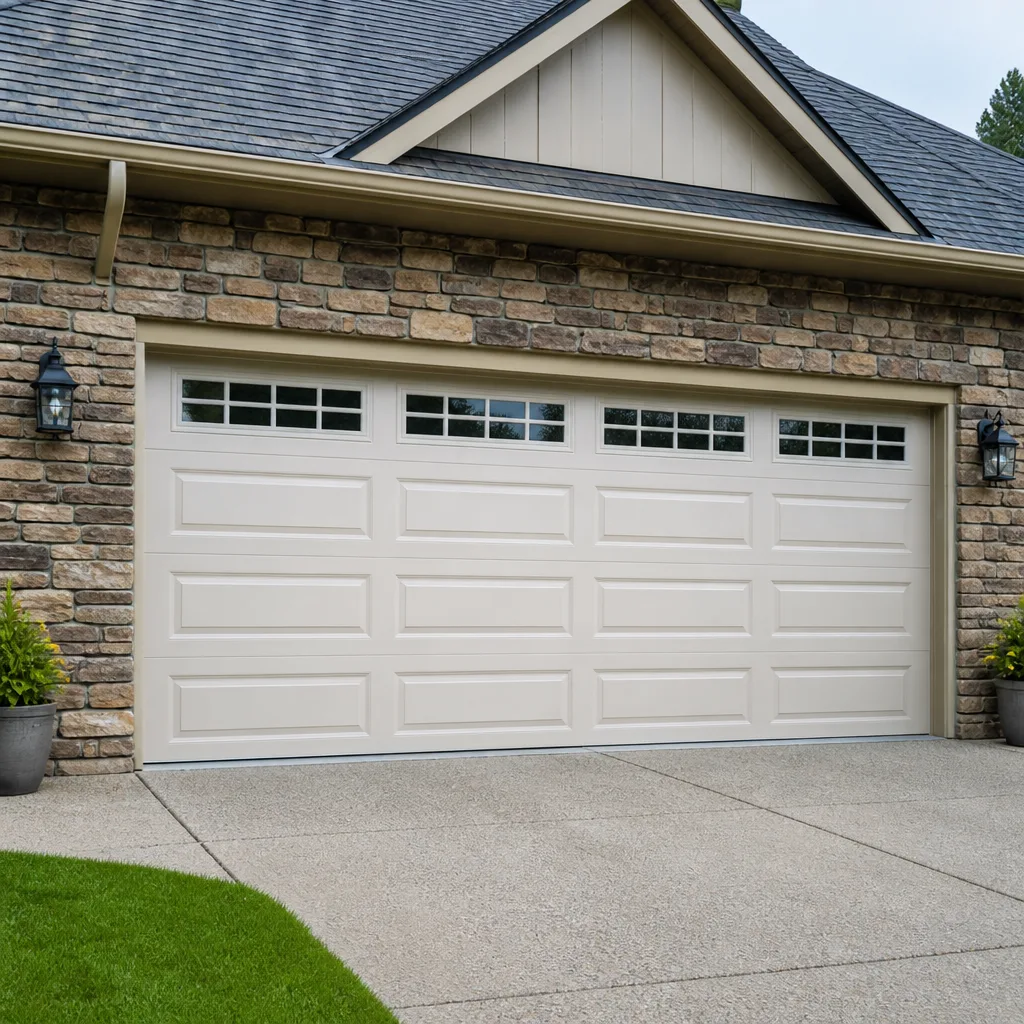 Raised-panel steel
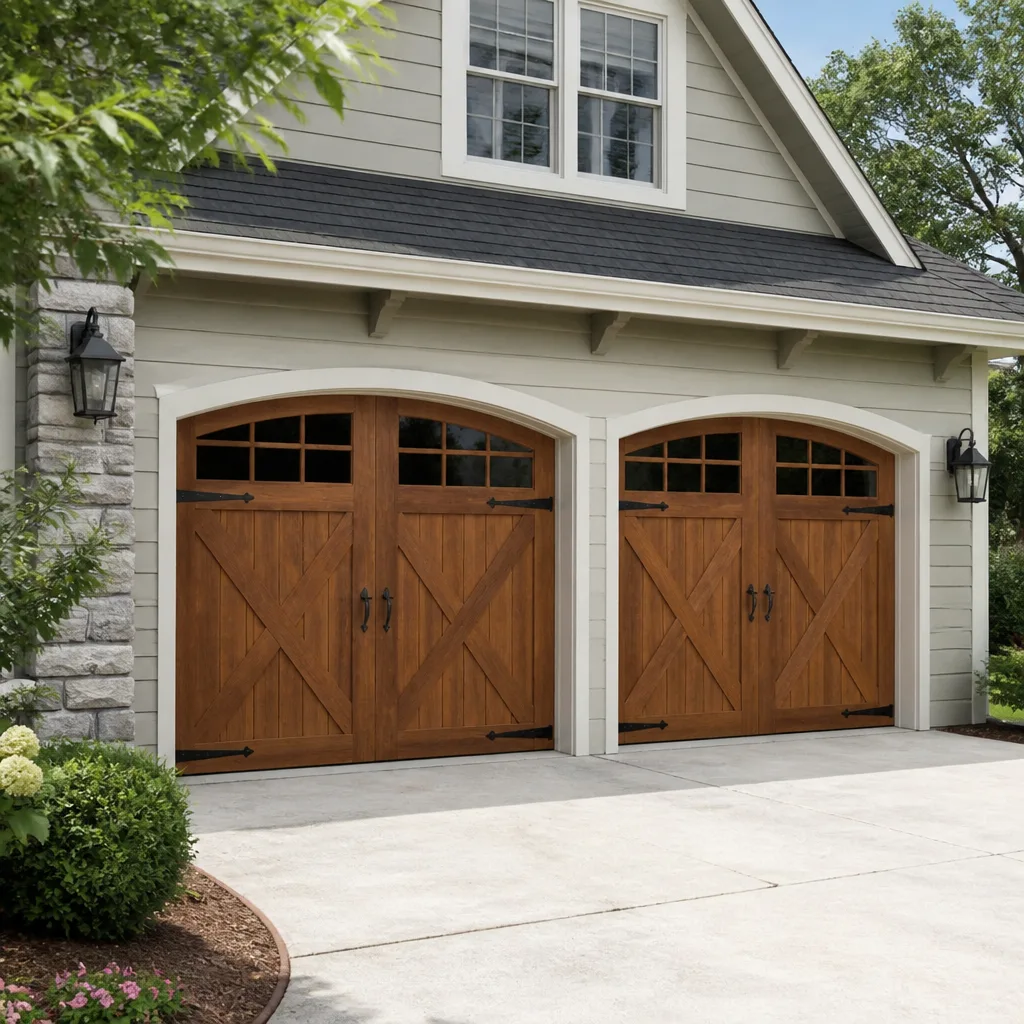 Carriage house
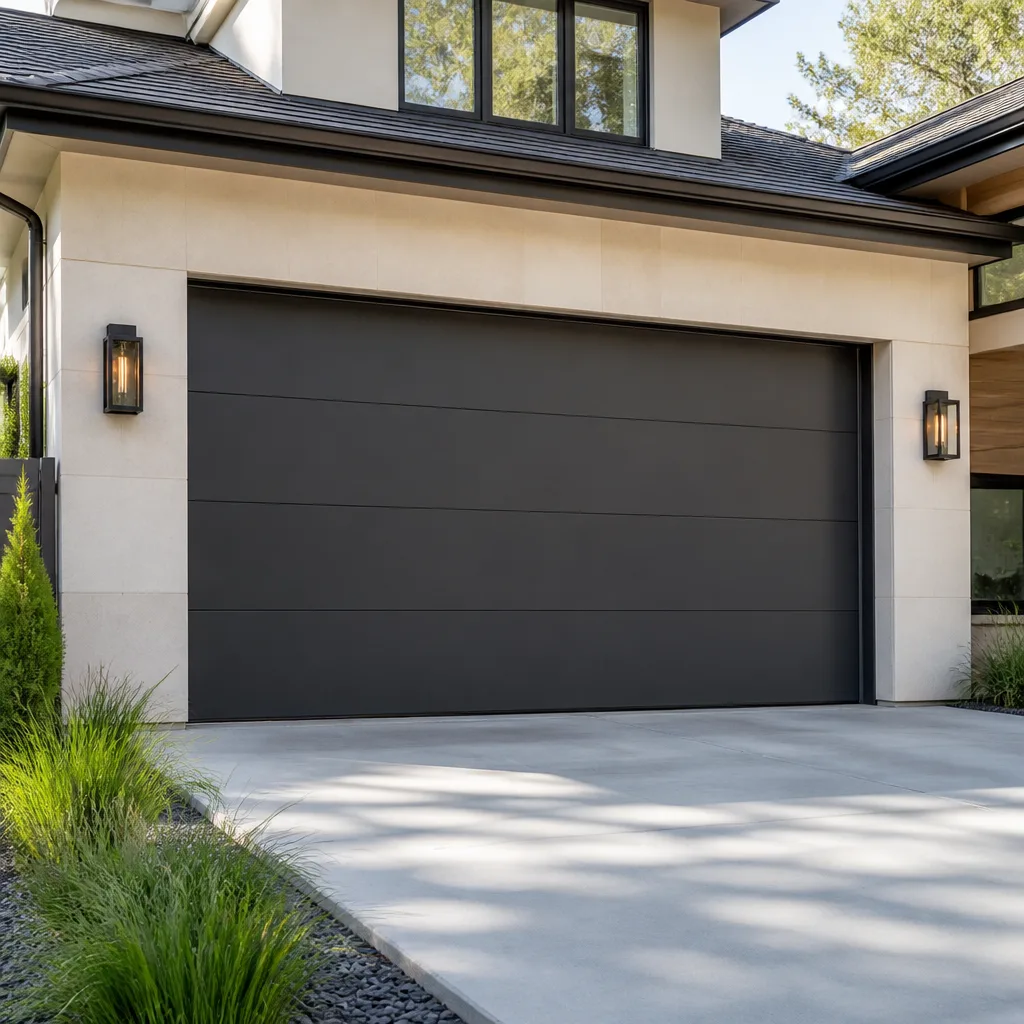 Modern flush
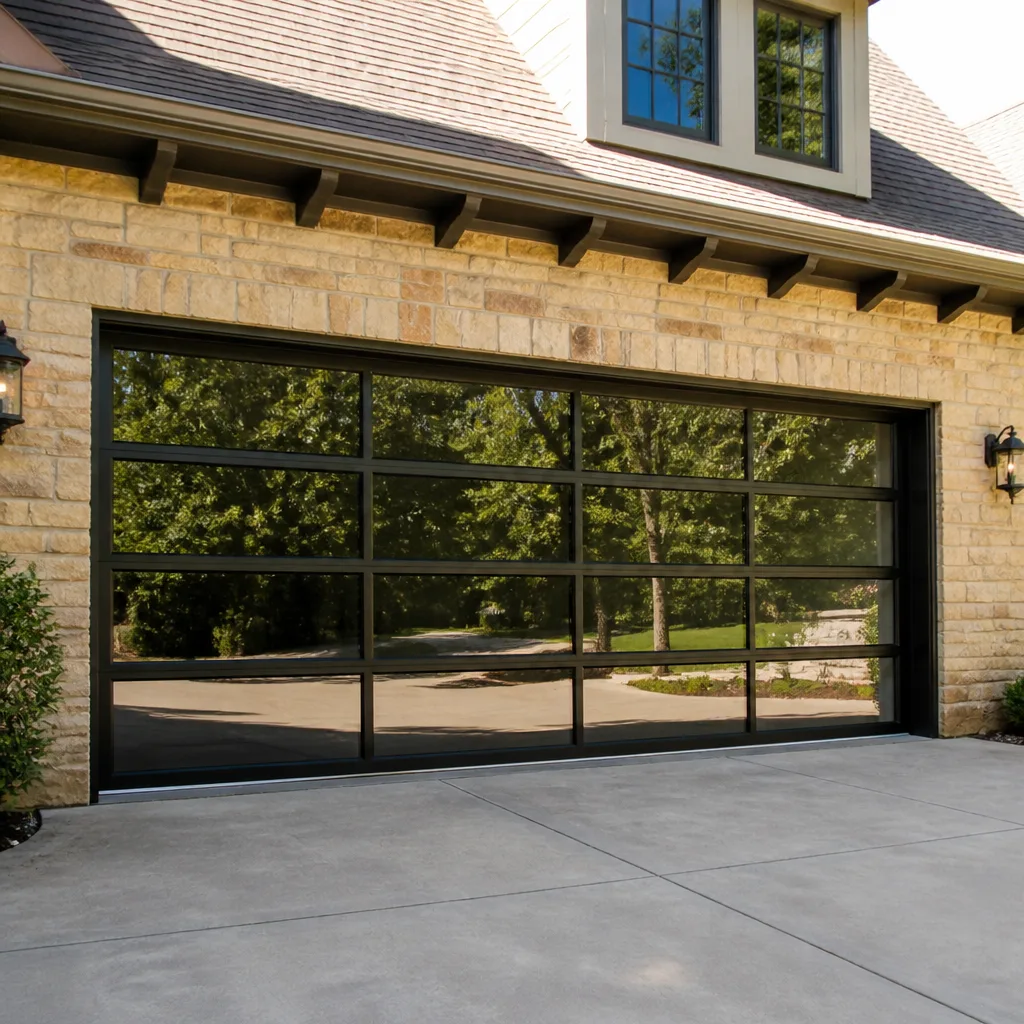 Full-view glass
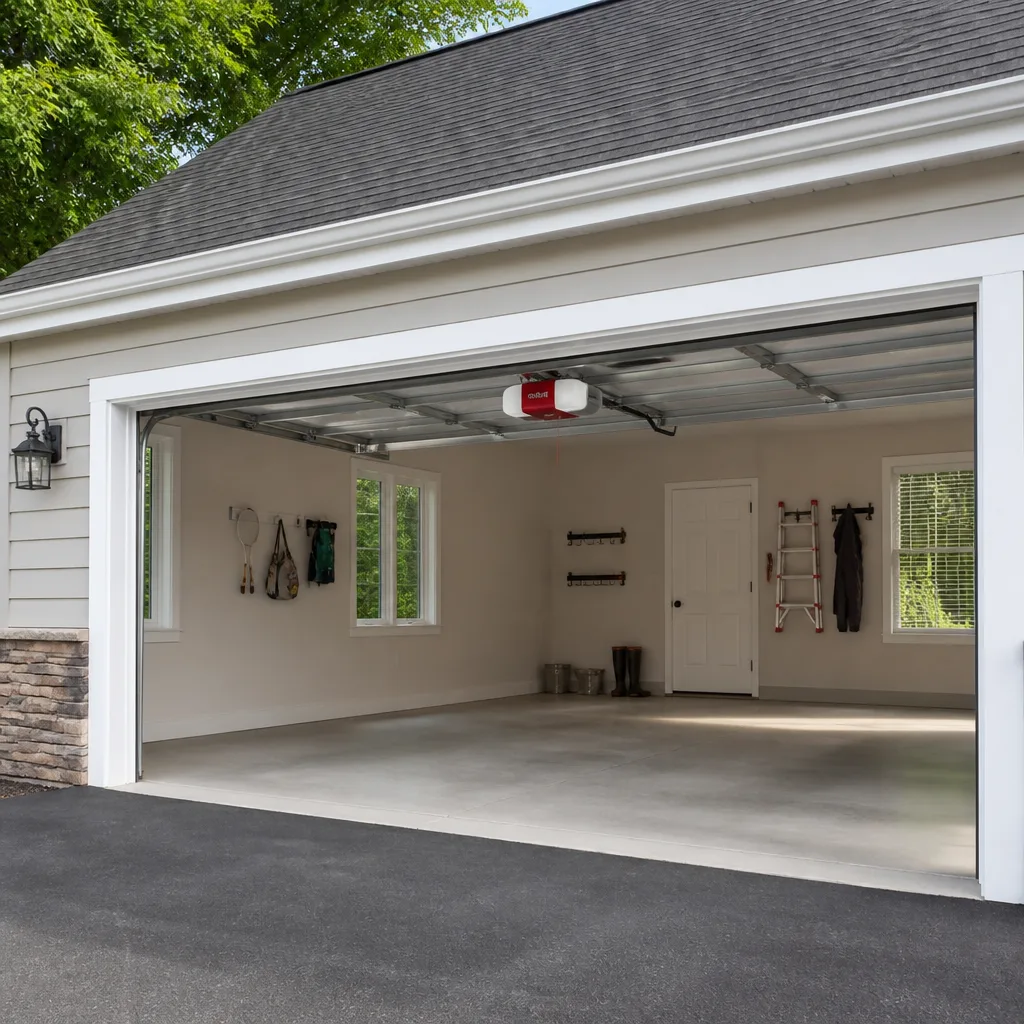 LiftMaster openers
 Chamberlain openers
Full 25-point door and opener safety check with every visit - springs, cables, rollers, tracks, and your LiftMaster or Chamberlain opener included
You get a price before we start. It does not change when the pro arrives.
Get your free estimateGarage Door Warning Signs: A Shoreline Homeowner’s Reference Guide
Most garage door failures don’t come out of nowhere. They announce themselves first, quietly, through a grinding noise you only hear on cold mornings, a door that reverses for no obvious reason, or a bottom seal that starts letting water in after a storm. The trouble is that these early signals are easy to write off as quirks. A door that’s “a little slow” or “sometimes noisy” is telling you something specific, and a technician reads those messages the same way a doctor reads a chart. This guide teaches you to read the symptoms yourself: what each sound, movement, and behavior usually points to, which problems are cosmetic and which are safety-critical, and where a small fix now keeps a bigger repair off your calendar. We’ve written it for Shoreline homeowners who want to understand their door before they pick up the phone.
Styles & brands we work with
- Raised-panel steel
- Carriage house
- Modern flush
- Full-view glass
- LiftMaster openers
- Chamberlain openers
Quick Answer
The most common garage door warning signs in Shoreline are grinding or squealing during travel, a door that reverses before it closes, uneven movement on one side, a visibly sagging top panel, and a door that feels far heavier than it used to. Two signals mean stop using it right away: a snapped spring (the door won’t lift by hand) and a door that drops fast and free without resistance. Most other symptoms are early-stage and worth a look before they worsen.
Table of Contents
- How Garage Doors “Talk”: Reading Symptoms Like a Technician
- Symptom-to-Cause: A Reference Table for Shoreline Homes
- Cosmetic vs. Safety-Critical: How to Tell the Difference
- Spring Warning Signs (The Ones That Matter Most)
- Opener Warning Signs
- Track, Roller, and Panel Warning Signs
- How Shoreline’s Climate Creates Its Own Warning Signs
- The Two Signs That Mean Stop Using the Door Today
- Common Mistakes to Avoid
- When to Call a Professional
- Frequently Asked Questions
- The Bottom Line
How Garage Doors “Talk”: Reading Symptoms Like a Technician
A garage door is one of the few machines in your home that moves hundreds of pounds on a set of springs, rollers, and hinges, then reverses direction under your control, several times a day. When it’s healthy, all of that weight feels almost weightless – the opener hums, the door glides, and the whole cycle takes a few seconds. When something is off, the door gives you clues long before it fails.
Technicians learn to listen in a particular order: the sound of the door, the ease of movement, then the behavior at the opener. Those three layers stack. A grinding sound during travel is a track or roller problem. A door that travels evenly but reverses early is usually a safety-sensor or force-setting issue. A door that feels heavy when you lift it by hand points to the springs. Learning this order is the first step in garage door repair, and it’s something you can practice yourself without tools.
Here’s how we walk a Shoreline homeowner through the basics of listening:
- Listen during travel. Stand in the driveway and let the door cycle. Grinding, squealing, and popping each tell a different story.
- Watch the motion. A door that tilts, hesitates, or lurches is out of balance or off-track.
- Watch the seal and the track. A door that shudders as it hits the floor usually needs an adjustment, not a new opener.
- Check the opener’s behavior. Lights, sounds, and reversing patterns at the motor give you clues the door alone can’t.
Anyone in Shoreline can do this check in a minute at the start of the week. If it becomes part of your routine, you’ll notice changes before they turn into breakdowns.
Symptom-to-Cause: A Reference Table for Shoreline Homes
This is the reference table we keep in mind on every call. It maps common symptoms to their most likely root causes so you can decide whether to keep going or stop and get help.
| Symptom | Likely Root Cause | Urgency |
|---|---|---|
| Loud grinding during travel | Worn or dry rollers, or a bent section of track | Medium – fix before rollers seize |
| High-pitched squeal | Dry hinges, spring coils, or roller bearings | Low – usually lubrication or hardware |
| Loud bang, door won’t lift | Broken spring (torsion or extension) | HIGH – stop using the door |
| Door reverses before closing | Safety-sensor misalignment or a force-setting issue | HIGH – safety system not doing its job |
| Door rises unevenly | A failing spring on one side or a stretched cable | Medium to high – don’t keep cycling |
| Door feels very heavy by hand | Weak or broken spring tension | HIGH – stop using it |
| Door shakes before reversing | Obstructed sensor or a worn gear in the opener | Medium |
| Rust streaks on the seals or panels | Moisture trapping at the seal, mild steel hardware | Low to medium – cosmetic or early |
| Bowed or swollen panels | Water penetration and panel flex | Medium – check for structural alignment |
| Repeatedly stops halfway | Binding track or a failing opener motor | Medium |
| Doors cycle open again immediately | Sensor blocked, sensor misalignment, or a logic-board fault | Medium to high |
This isn’t a diagnostic textbook – real symptoms overlap, and a door can have two problems at once. But it gives you a starting vocabulary. A Shoreline homeowner who can describe the sound accurately will get a faster, more accurate diagnosis than one who says “it’s just acting weird.”
Cosmetic vs. Safety-Critical: How to Tell the Difference
The line between cosmetic and critical isn’t obvious unless you know what your door is actually doing. Rust streaks on a seam are usually cosmetic. A bent bottom bracket is not. The key is to check whether the issue affects how the door moves or whether it can still hold the weight of the door.
Use this numbered test to sort the two:
- Watch for motion changes. If the door’s movement hasn’t changed, it’s more likely cosmetic. If it tilts, jerks, or hesitates, it’s structural.
- Listen for new sounds. Sudden or worsening sounds during travel are worth a call. Slow, minor noises might be lubrication.
- Test the balance by hand. Disconnect the opener with the door closed, then lift the door halfway. It should hold there easily. If it falls or feels heavy, the springs or cables are involved. Never lift a door that won’t move at all – that’s a spring failure and a stop sign.
- Check the safety reverse. Place a small object in the door’s path on the floor. The door should reverse on contact. If it doesn’t, the safety system needs attention before the door is used normally.
- Look at the hardware, not the finish. A cosmetic scuff on a panel is fine. A looseness or bend in a hinge, bracket, or track affects structure and needs a pro.
When we check a door, this is roughly the order. It’s not a substitute for a real inspection, but it will tell you whether to call a technician today or put it on your list for next week.
Spring Warning Signs (The Ones That Matter Most)
Springs are the most dangerous part of a garage door – we handle them correctly because we handle them every day. They store enormous energy in a tight coil, and when one fails, it fails violently. Every homeowner in Shoreline should know the spring warning signs cold.
Here’s what to watch for:
- A loud bang from the garage. Often the first sign, and usually the moment a spring snaps.
- A gap in the coil. Visually inspect the spring above the door. A clean break is usually obvious.
- The door won’t lift by hand. With the opener disconnected, a door with broken spring tension feels like dead weight. Never fight it.
- A door that slams down. Sudden speed and impact are a sign of lost spring tension. Stop using it immediately.
- A visible sag on one side. If the door rises unevenly, one spring is likely doing all the work.
- Years of storage. Springs weaken gradually, then snap. In quiet weather, it’s easy to miss the earliest signs.
We keep spring work as a standalone service because a technician who has handled hundreds of spring failures knows how to read them, including the ones that don’t look obviously broken. We’d rather spend an extra few minutes confirming the spring than guess. That’s the standard your garage door spring repair should meet, and it’s the standard we hold ourselves to. If you suspect a spring, treat it as a hard stop – don’t try to lift the door, and don’t attempt any adjustment on your own.
Opener Warning Signs
Openers are the most misunderstood part of a garage door system. Homeowners often blame the opener when the door itself is heavy, and sometimes blame the door when the opener has simply aged out. The trick is to separate the two.
These are the signs that point at the opener:
- The motor runs but the door doesn’t move. A stripped gear or a broken drive belt or chain is likely.
- The door works fine by hand but is slow or hesitant with the motor. The opener is tired, not the door.
- The lights flicker or stay on. A logic-board or capacitor issue.
- The remote needs to be pressed multiple times. Usually the battery first, then the circuit or the remote programming.
- The door reverses with no obstruction. Force settings or sensor alignment are the likely causes.
- Loud humming or clicking with no movement. Gear or belt wear.
- Uneven LED behavior and safety-reverse issues. A sensor or board concern worth a look.
Openers from the major brands – LiftMaster, Chamberlain, Genie, and Craftsman among them – tend to fail in recognizable patterns. When we approach garage door opener repair, we start with the brand and model, then check the most predictable failure points. That’s part of why we keep our focus on the brands you actually own. We know what a Chamberlain does when its logic board starts to fail, and we know how a LiftMaster travels when it’s losing force. That saves you time and guesswork.
Track, Roller, and Panel Warning Signs
Tracks and panels don’t cause emergencies the way springs do, but they’re the source of the slow, frustrating symptoms – the grinding, the shuddering, the door that refuses to close flush. Catching these early is what keeps a small repair from becoming a large one.
Track and roller warning signs:
- Grinding during travel. Usually dry or worn rollers, or a track that’s out of alignment.
- The door seems to catch at one spot. A bent or twisted section of track is the common cause.
- The door leans or shudders. Wear on the rollers or a loose track fastener.
- Visible dents in the track. Even minor ones can affect travel. Don’t try to bend them back yourself.
Panel and seal warning signs:
- A bowed or swollen panel. Water penetration can swell interior panel edges on wood-composite doors.
- A worn bottom seal. It lets water and pests in and can cause your door to misalign on close.
- Rust streaks near the seal or hinges. Common in every climate where moisture sits on metal.
- A panel that no longer matches its neighbor. The door has shifted, which usually means a hardware problem, not just cosmetic damage.
Wayne Dalton and Raynor doors both show these panel and seal wear patterns, and we’ve worked on enough of both to recognize them quickly. If your door catches at a specific spot, that’s your first clue where to look. Don’t force it – a stuck door that keeps cycling an opener can turn a small repair into a bigger one.
How Shoreline’s Climate Creates Its Own Warning Signs
Garage doors in Shoreline age differently than doors in a dry market. The wet season, the long stretch of cool damp months, and the seasonal swing between wet and dry leave their marks on hardware, seals, and panels. These aren’t failures waiting to happen on their own, but they’re warning signs that show up here and wouldn’t in a drier market.
Here’s what we see cycle back every year in Shoreline:
- Rust streaks on hardware and seals. Moisture trapped between the bottom seal and the door can pool and rust the metal. Rust streaks are cosmetic until they hit a hinge or bracket, then they aren’t.
- Swollen wood-composite panels. Water penetration at the seams swells the interior of the panel, causing it to bow and sometimes to misalign. Doors that sit flush in dry months can develop gaps in the wet season.
- Seal failure patterns. The bottom seal wears faster in wet weather, letting water and debris in. A worn seal is a small fix; the water damage behind it is not.
- Track and roller stiffness. Damp conditions speed wear on moving metal parts. A door that squeaks more in the winter is telling you something.
- Post-storm panel stress. After a stretch of heavy rain, we often hear about doors that won’t close flush. Wind pressure and moisture both work on the door at once.
This is where local knowledge matters. A technician who works only in a dry market might miss these signs in Shoreline, because they look different from the failures they’re used to. When we inspect a door up here, this is the profile we look for. It’s the same door, just a different set of pressures on it.
The Two Signs That Mean Stop Using the Door Today
Most warning signs are worth a look. Two of them are worth stopping the door entirely. If either is present, don’t cycle the opener, don’t try to force the door, and don’t attempt a repair yourself.
1. A broken spring. If you hear a loud bang and the door won’t lift by hand, the spring has snapped. The door is now held up by the opener alone, and the spring coil will be under zero tension. Never try to lift it, never try to adjust it, and never try to replace a spring on your own. This is a job for a trained technician with the right tools. Call for help.
2. A door that falls or drops fast. If the door drops in free fall when you lift it or when the opener cycles, that’s a catastrophic failure of spring tension or cable support. It’s a safety hazard for anyone standing under it, and it can damage the door and the opener. The door should be left closed and untouched until a technician has seen it.
Both of these are cases where the smartest thing you can do is put the phone down and pick it right back up with a call. The alternative – forcing the door – is how a broken spring turns into a bent door and a much larger repair bill. If you’re not sure what you’re looking at, treat it as one of these two until a technician says otherwise.
Common Mistakes to Avoid
- Forcing a door that won’t move. If the door resists, don’t push it. A spring or cable problem can cause damage to the opener, the door, and you. Every year we see doors in Shoreline that could have been a single repair turn into a bigger one because someone kept trying to cycle it.
- Assuming loud equals broken. Noise usually means lubrication or a worn part, not a broken system. Being noisy and being dangerous aren’t the same thing – but both deserve a look.
- Replacing the opener for a door problem. Your opener is often just reporting on a door that needs adjustment. Don’t buy a new opener before confirming the door itself isn’t the cause.
- Bending a track back into shape. It looks easy. It isn’t. Bent track can look straight and still be off by a fraction of an inch – enough to damage rollers and panels. This is a technician fix.
- Ignoring the bottom seal. A worn seal lets water sit against the door and speeds up panel damage. Replacing the seal is one of the least expensive repairs and one of the most useful.
- Skipping the manual release. Testing the door by hand means disconnecting the opener first. Doing it with the opener attached can damage the opener mechanism.
- Relying on the opener as a safety device. The opener reverses the door on contact, but the springs and cables hold the weight. A worn spring can defeat a perfectly good opener’s safety system.
When to Call a Professional
Some symptoms are worth watching, and some are worth a call today. Call a professional if you’re seeing any of the following: a snapped spring, a door that won’t stay closed, a door that reverses on its own, a door that feels heavy by hand, a bending or bowing track, or a panel that has come loose from its hinges. These aren’t the kind of issues that resolve on their own, and leaving them alone typically makes the repair bigger.
If you’re in Shoreline and want a second set of eyes, Shoreline Garage Door Repair Co offers free estimates in Shoreline – call (877) 792-6834. We work on the brand you already own, we stock nothing on a truck that we don’t need, and we show up to fix it, not sell you something new. Our technicians have up to 12 years of experience, and we’re trained to service eight leading residential garage door brands: LiftMaster, Chamberlain, Genie, Clopay, Amarr, Wayne Dalton, Craftsman, and Raynor. Spring repairs are their own specialty here, because they’re the most dangerous part of the door and the part most often mishandled. You’ll get an estimate, a written price, and a plan before any work begins.
Frequently Asked Questions
Grinding or squealing during travel, a door that reverses before it closes, uneven movement on one side, a sagging top panel, and a door that feels heavy by hand are the most common warning signs. A snapped spring and a door that drops fast are the two that mean stop using the door today. If you see either, call a technician before cycling the opener again.
A broken spring is usually announced by a loud bang, followed by a door that won’t lift by hand. You can also see a visible gap in the spring coil above the door. Never try to lift the door or adjust the spring yourself – call a technician. In Shoreline, we handle spring repairs as a standalone service because a failed spring is a safety issue, not a maintenance task.
Grinding during travel usually points to worn or dry rollers or a track that’s out of alignment. It’s rarely an emergency, but it does get worse over time. Have it checked before the rollers or track are damaged further. A quiet door is a healthy door, and a grinding one is asking for a look.
A door that reverses before it closes usually has a safety-sensor misalignment or a force-setting issue. Clean the sensor lenses first, and check that nothing is blocking the path. If it continues, the opener’s force settings or logic board may need attention. Don’t force the door closed – it’s a safety system that’s trying to tell you something.
No. Garage door springs store enormous energy and can snap violently. Adjusting or replacing one without the right tools and training is dangerous. Call a trained technician. We handle spring repairs with the care the hardware demands, and we’d rather handle yours safely than see you get hurt trying.
Yes. Wet winter conditions speed up rust on hardware, can swell wood-composite panels, and wear the bottom seal faster than in drier markets. Rust streaks, bowed panels, and a worn seal are all signs to watch in Shoreline specifically. If you notice any of them after a stretch of wet weather, a quick inspection is worthwhile.
Test the door by hand: disconnect the opener and lift the door halfway. If it holds easily, the door is fine and the opener is the likely problem. If it falls or feels heavy, the springs or cables are involved. Call a technician either way. We work on most of the brands you own, including LiftMaster, Chamberlain, Genie, and Craftsman, so we can diagnose the opener and the door together.
The Bottom Line
Garage doors talk before they fail – through sounds, movement, and behavior that most homeowners write off as quirks. Learning to read those signals is the cheapest repair you’ll ever make. Watch the springs first, because they’re the most dangerous part of the door. Watch the seals and panels second, because Shoreline’s damp climate works on them harder than in most markets. The two hard stops are a broken spring and a door that drops fast. Everything else is a look and a call. Whether you’re dealing with a door that needs a repair or you’re ready to get a technician out to look, the goal is the same: back in working order, no upsell. If you’re in Shoreline and something sounds off, call (877) 792-6834 for a free estimate. We’ll diagnose it, give you a written price, and fix what needs fixing.
Written by the team at Shoreline Garage Door Repair Co.
See the difference
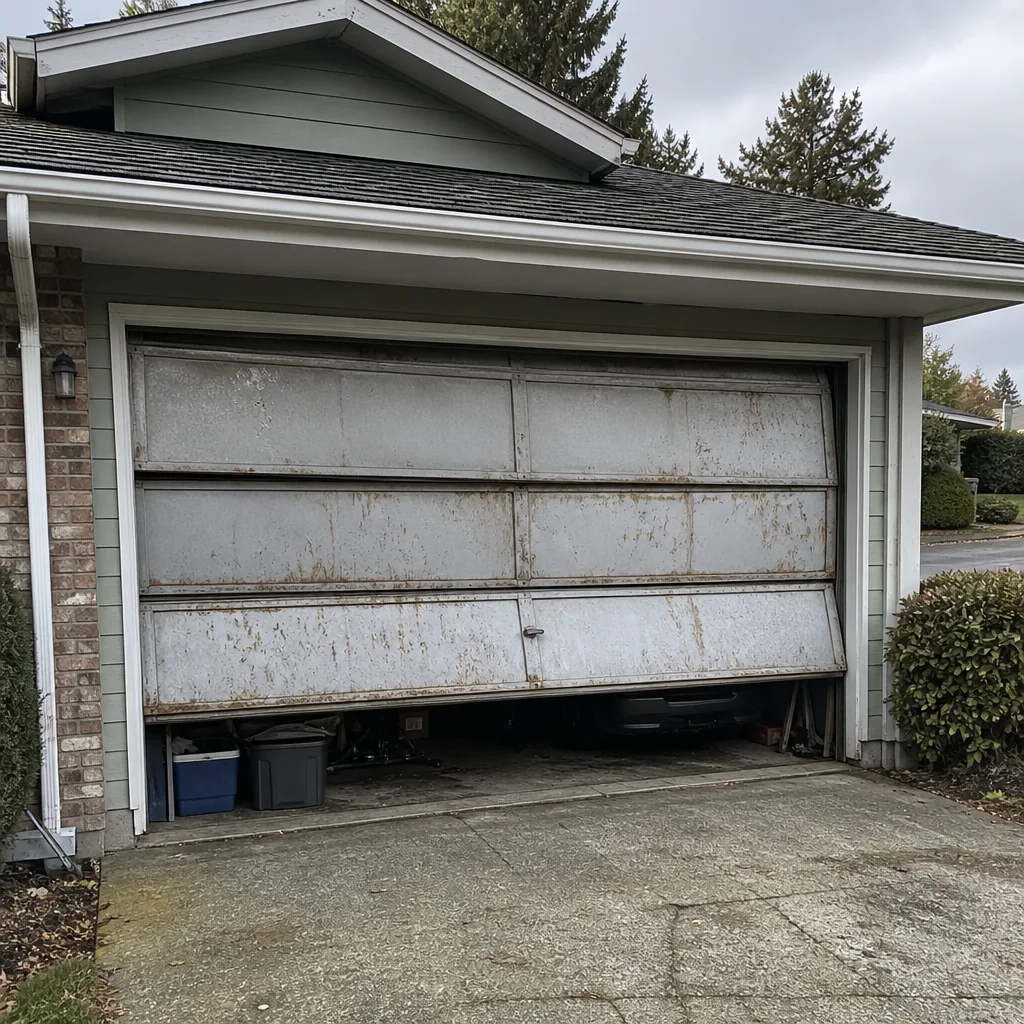 Before
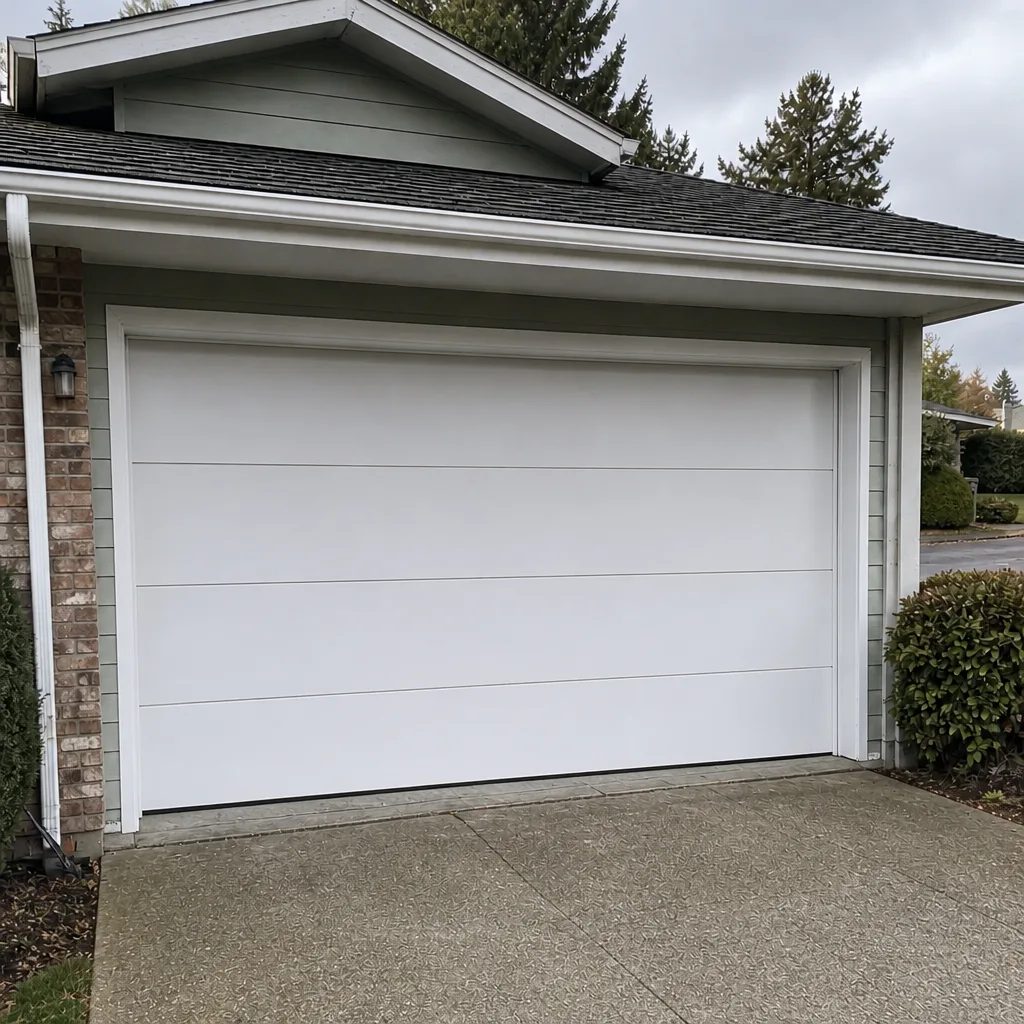 After
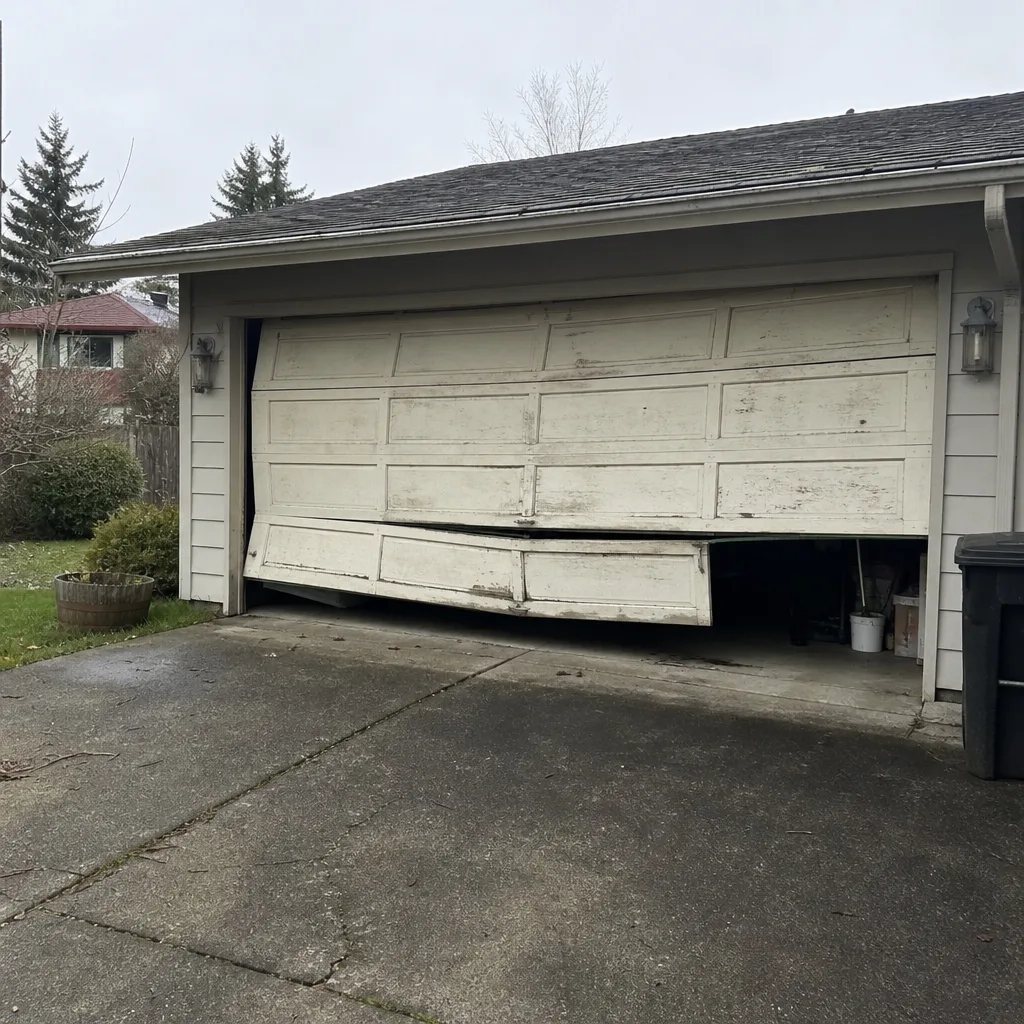 Before
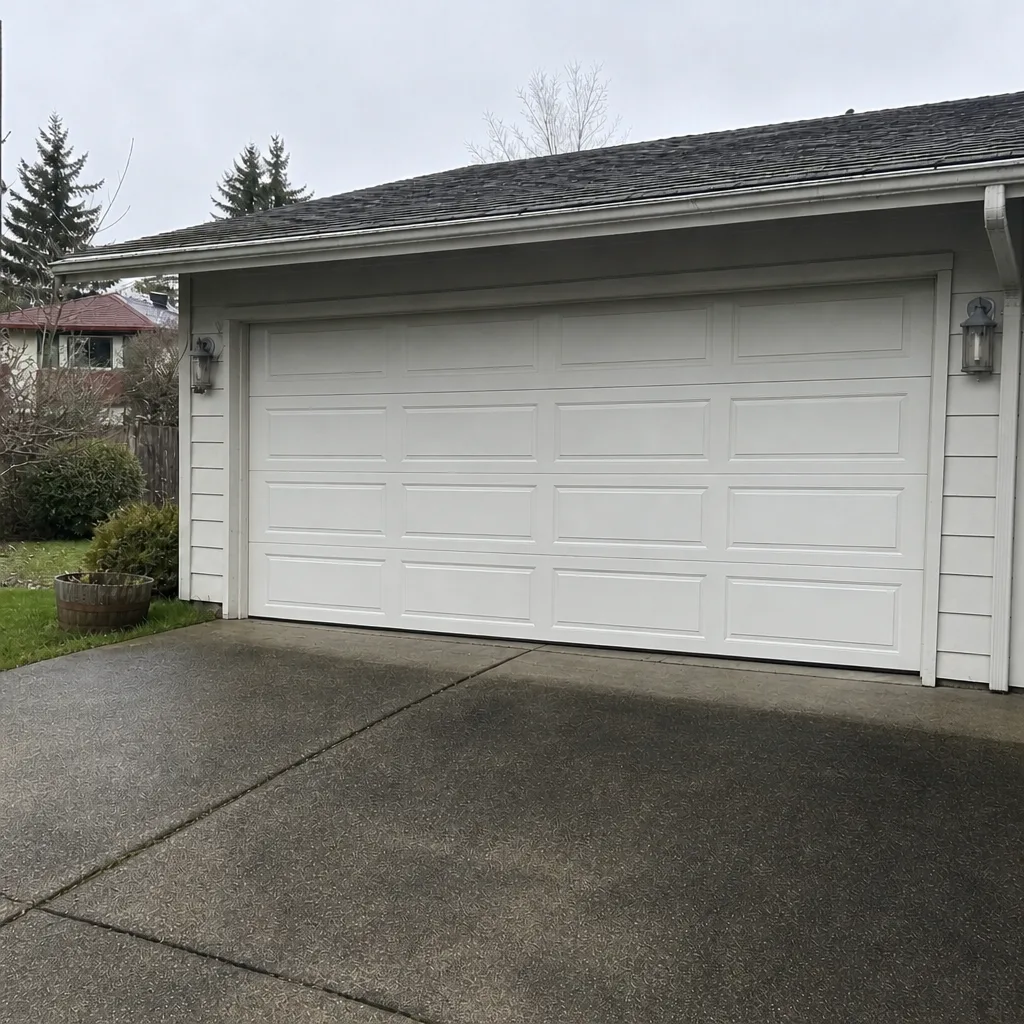 After
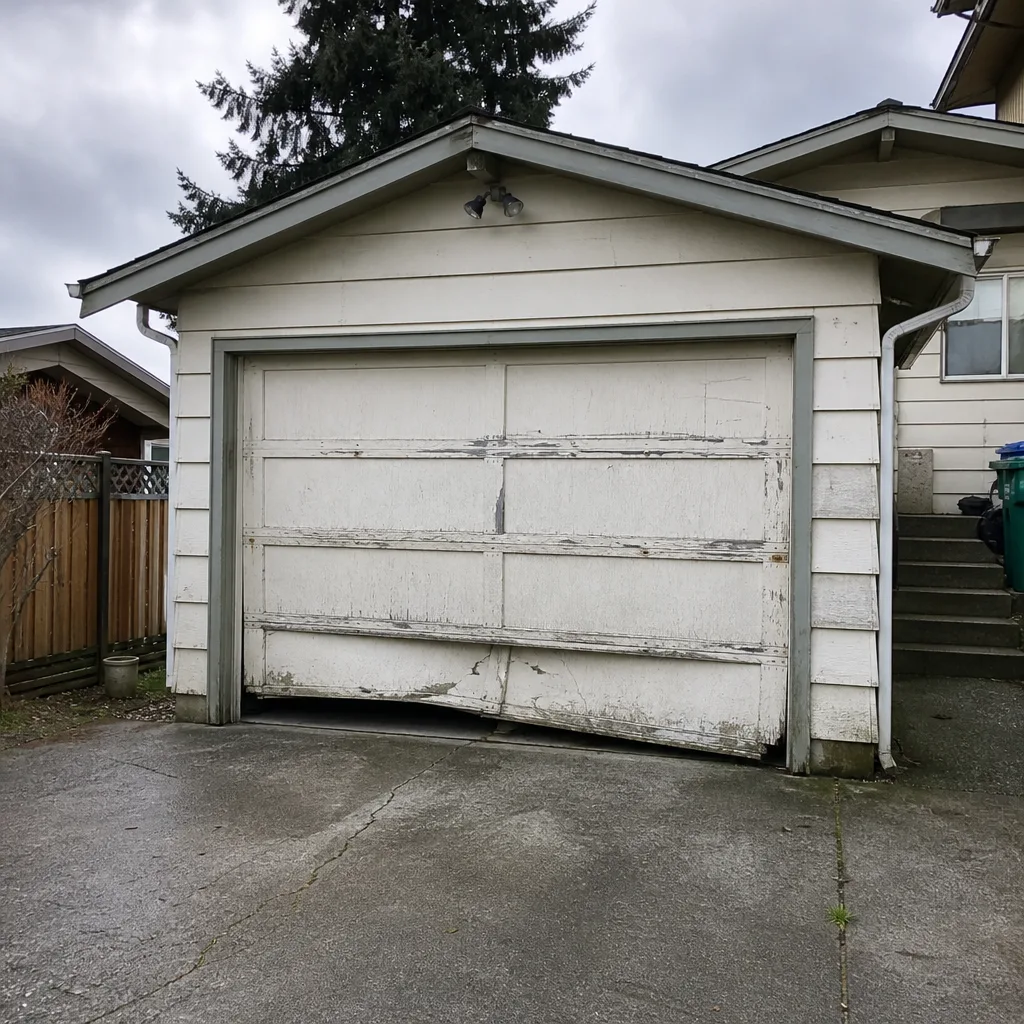 Before
 After