Last updated November 20, 2026
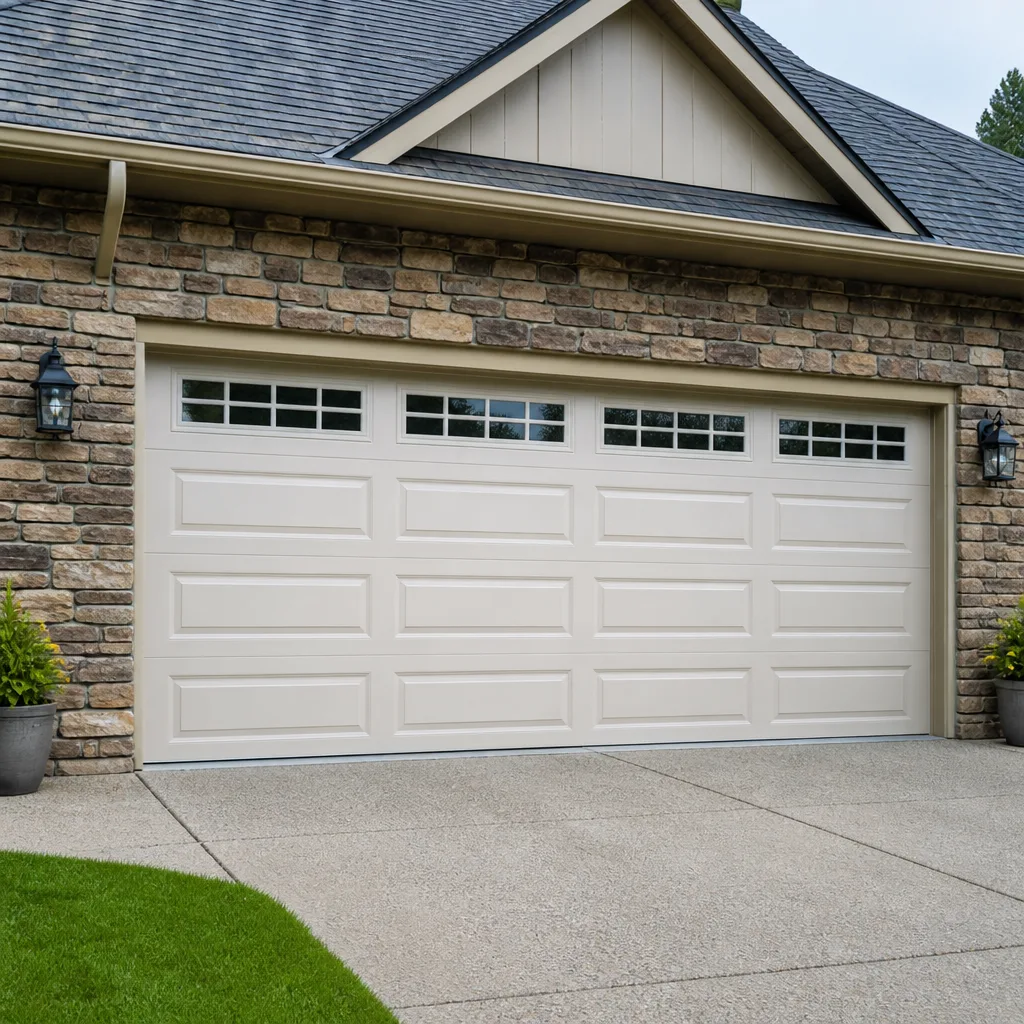 Raised-panel steel
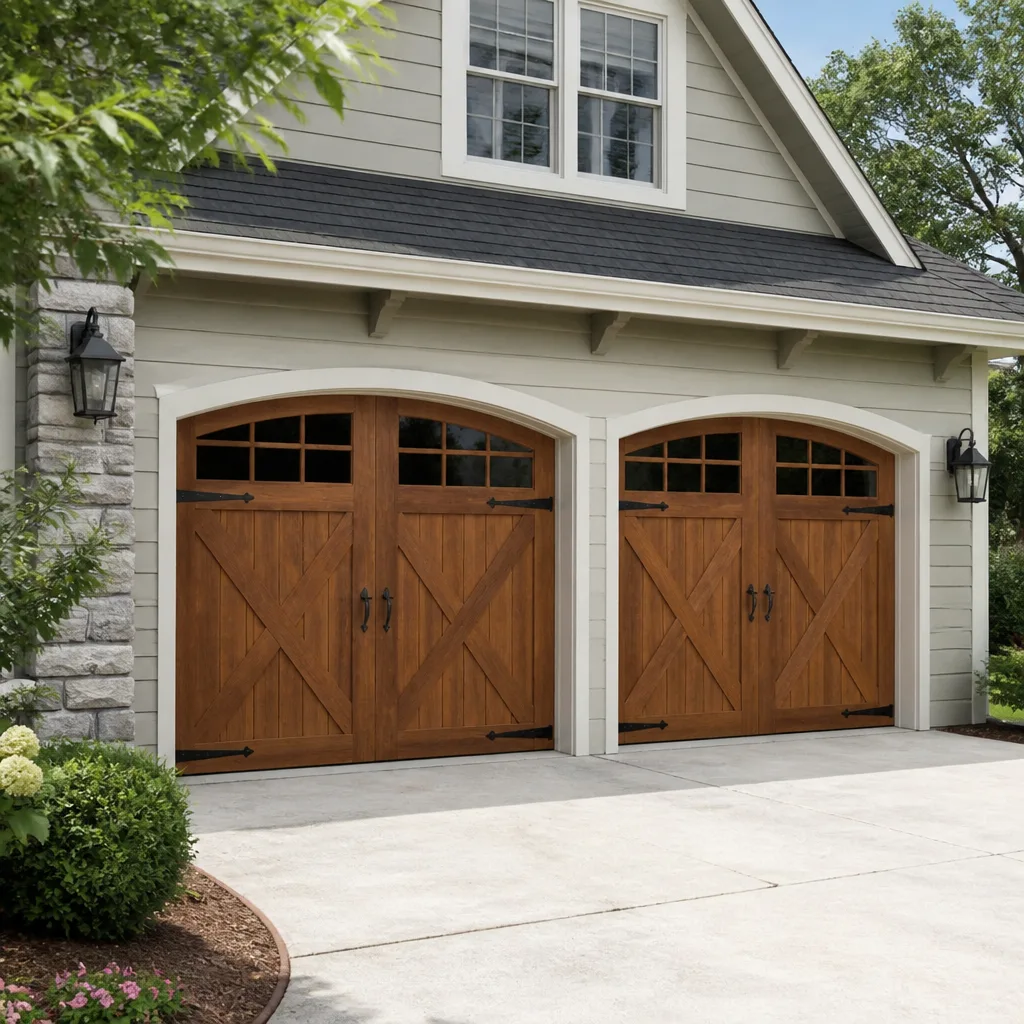 Carriage house
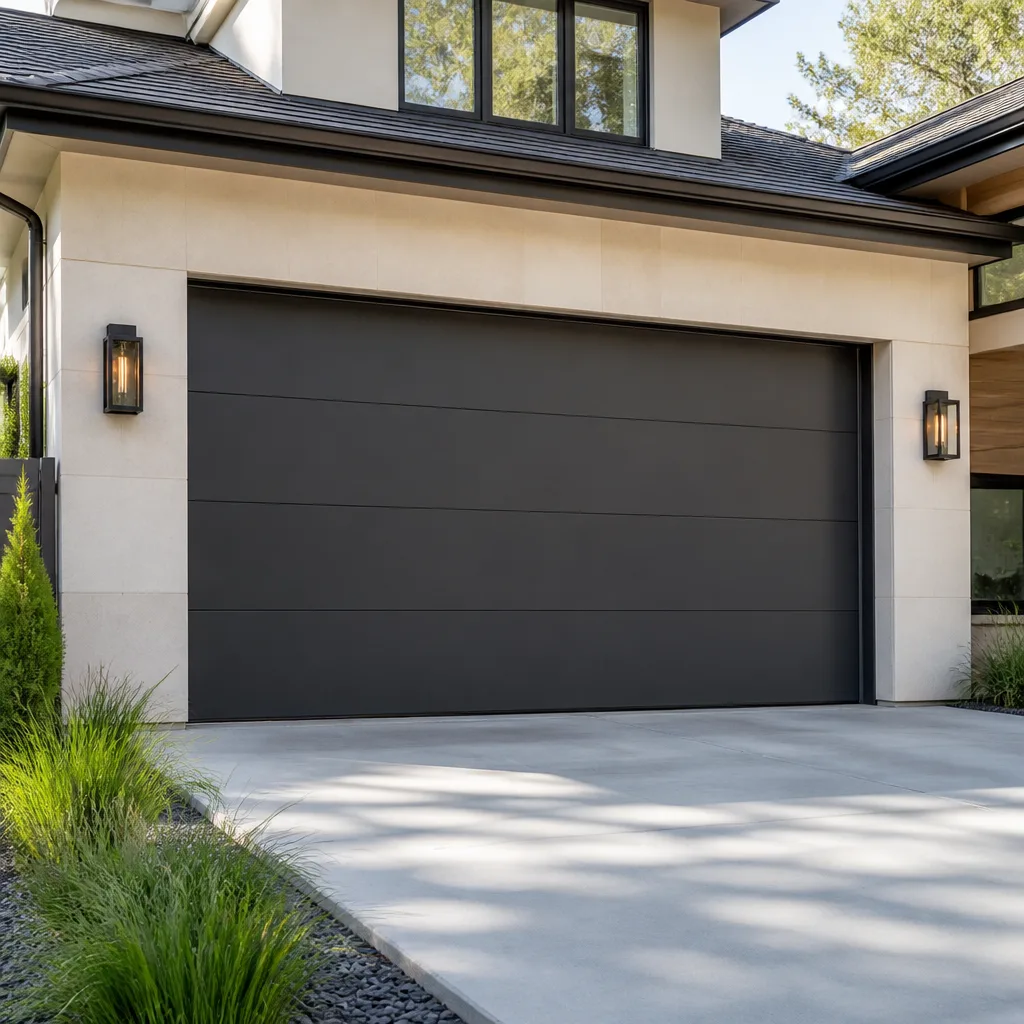 Modern flush
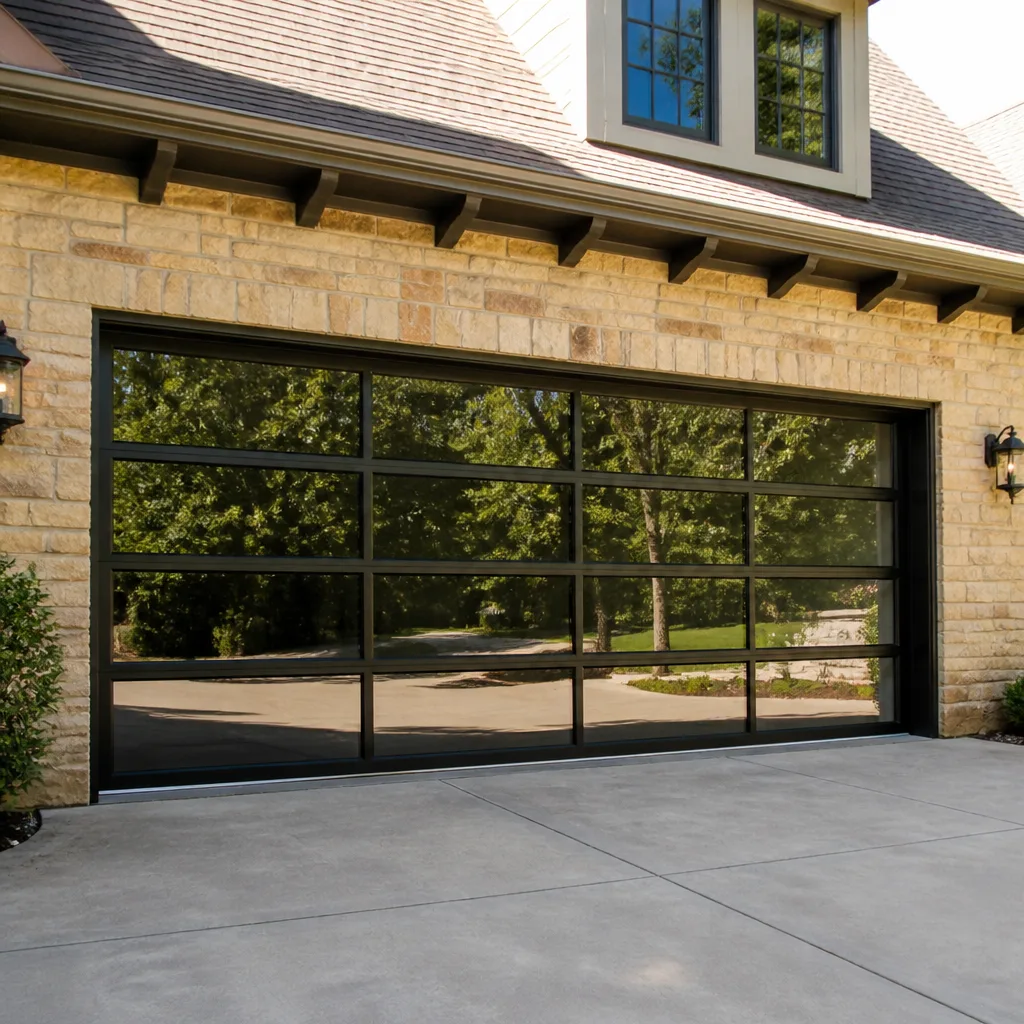 Full-view glass
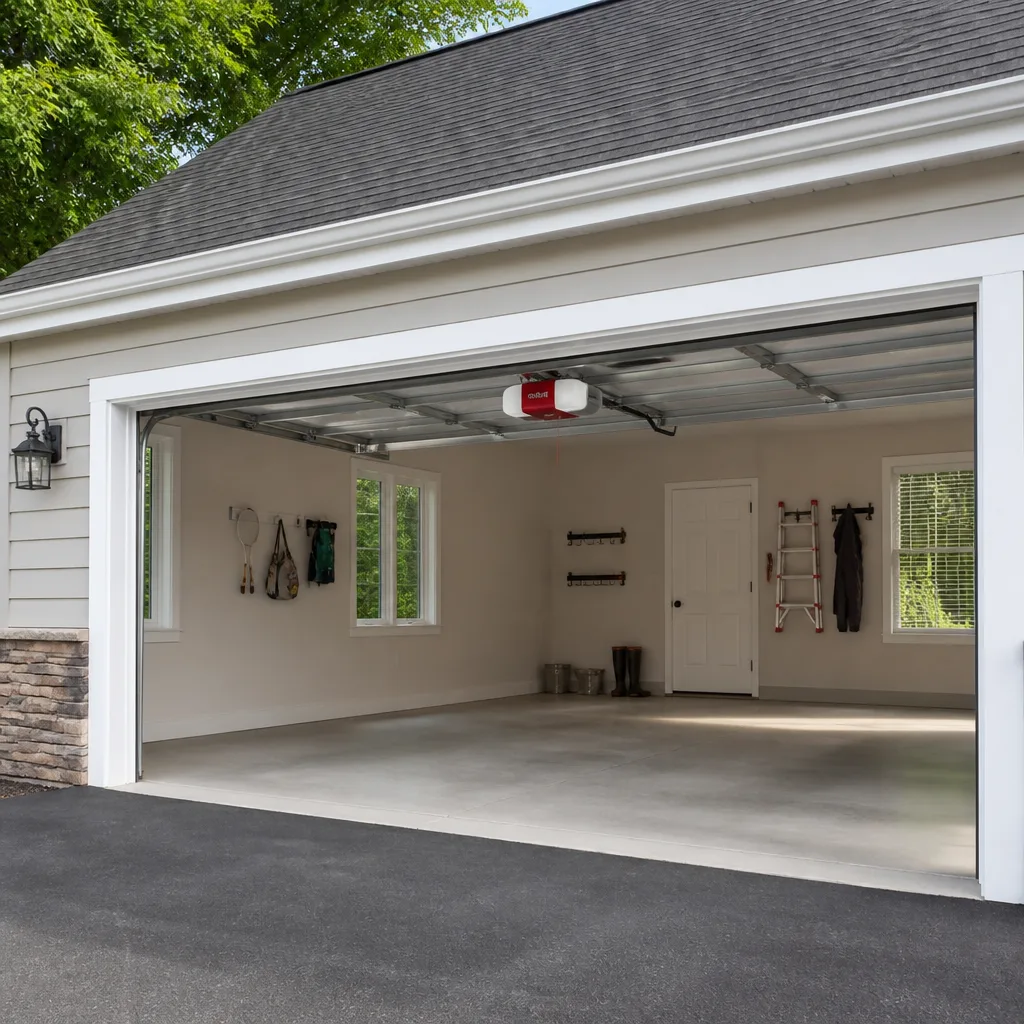 LiftMaster openers
 Chamberlain openers
Full 25-point door and opener safety check with every visit - springs, cables, rollers, tracks, and your LiftMaster or Chamberlain opener included
You get a price before we start. It does not change when the pro arrives.
Get your free estimateHow to Hire a Garage Door Contractor in Shoreline: A Step-by-Step Guide
The most common complaint after a bad garage door repair isn’t that it cost too much. It’s that the same problem came back within six months because the root cause was never diagnosed in the first place. A door that shudders and reverses might look like an opener problem and turn out to be a binding track and a misaligned panel. A door that slams down might look like a spring issue and turn out to be a stripped gear in the opener’s logic board. The difference between a contractor who finds the actual cause and one who swaps the part that’s easiest to reach is the difference between a fix and a return visit. This guide walks Shoreline homeowners through the vetting process most people skip, from the first phone call to the final walk-through, so the door you have now is the door you’re still using next spring.
Quick Answer
To hire a garage door contractor in Shoreline, verify that the contractor is licensed, bonded, and insured as Washington State requires, ask what diagnostic steps they take before quoting, and get a written estimate that lists parts and labor for each repair. Then check that the contractor specializes in garage doors rather than general handyman work, read reviews for patterns rather than stars, and confirm the price is agreed before any work starts. The right contractor finds the root cause first, quotes the fix in writing, and repairs what you have rather than pushing a replacement.
Styles & brands we work with
- Raised-panel steel
- Carriage house
- Modern flush
- Full-view glass
- LiftMaster openers
- Chamberlain openers
Table of Contents
- Repair Specialist vs. General Installer: Why the Difference Matters
- Licensing and Insurance Requirements in Washington State
- Questions to Ask Before You Get a Quote
- Red Flags in a Garage Door Quote
- What a Real Diagnostic Visit Looks Like
- How to Verify Reviews and Read Negative Feedback
- What Fair Pricing Looks Like in Shoreline
- High-Tension Springs and the Safety Question
Repair Specialist vs. General Installer: Why the Difference Matters
A garage door isn’t one product. It’s a door panel system, a torsion or extension spring assembly, a track and roller carriage, a hinge and bracket network, a cable system under tension, and an opener with a logic board, safety sensors, and a drive mechanism. Each subsystem has its own failure modes and its own diagnostic signs. That’s why the single most important thing to verify is whether the contractor you’re calling works on garage doors as a specialty or as one line item in a broader handyman menu.
A general handyman or a big-box installer is typically set up for the predictable job: remove the old door, hang a new one, wire the opener, hand over the manual. That’s useful work, and there are plenty of shops in the Shoreline area that do it well. But installation is a scheduling business with a known sequence. Repair is a diagnostic business with an unknown sequence. They reward different skills.
When you hire a repair specialist, you’re paying for someone who’s seen enough failures to recognize them quickly. Someone who works on Clopay and Amarr doors week after week notices when a specific hinge pattern is wearing at the same point, or when a panel is misaligned in a way that points to a roller problem rather than a track problem. A generalist may eventually find the same answer, but they may also replace parts on the way there.
Three things tend to distinguish a true repair specialist:
- Brand fluency. They know the common residential brands – Clopay, Amarr, Wayne Dalton, Craftsman, and others – well enough to order the right parts the first time and to know which models share components.
- Spring repair as a named service. Springs are the highest-skill, highest-risk part of the system, and a shop that treats spring work as a specialty is usually organized around repair rather than replacement.
- A repair-first posture. When a tech walks in saying “let’s find out what’s actually wrong,” that’s different from a tech who walks in with a proposal form already printed.
This distinction is the foundation for everything that follows. If you get the specialist-versus-generalist question wrong at the start, no amount of quote comparison later will fix it. Our garage door repair work is built entirely around diagnosis and repair, and that focus is exactly why we think homeowners should insist on it when they call anyone.
Licensing and Insurance Requirements in Washington State
Washington State requires contractors to be registered through the Department of Labor & Industries (L&I), and that registration number must appear on the contractor’s advertising and written estimates. Registration is the baseline legal requirement for contracting work; it does not by itself mean the contractor specializes in garage doors. Bonding and liability insurance are also part of what a properly set-up contractor carries, and general liability coverage is what stands between you and a surprise bill if something gets damaged during the job.
Here’s what to verify before you schedule anyone:
- Contractor registration. Ask for the contractor’s L&I registration number and check it on the L&I website. This is a free public lookup, not a favor.
- Liability insurance. Ask for a certificate of insurance and note the expiration date. If it’s expired, that’s a hard stop.
- Bonding. Confirm the contractor is bonded in the amount Washington requires for registered contractors.
- Employees covered. Ask whether the contractor carries workers’ compensation coverage for employees, or works alone. Either is fine, but the answer should be clear.
- Written estimate with the registration number on it. A legitimate estimate includes the registration number, the scope of work, and the price. If the number isn’t there, ask why.
Shoreline is a city with a lot of older housing stock and a lot of newer multi-family construction, which means the local contractor market is a mix of long-tenured shops, newer specialty outfits, and generalists who take garage door calls as filler work. That mix is exactly why registration verification matters. Most homeowners never check. The ones who do tend to have fewer surprises.
Two more local notes. First, if the work involves altering the structure around the door – widening an opening, changing header framing – that’s typically handled under a building permit issued by the City of Shoreline. Straightforward repairs and replacements of existing doors usually don’t require a permit, but ask the City’s building department directly if you’re unsure, because the answer depends on what’s actually being changed.
Second, if a contractor tells you they’re “licensed” but can’t produce a registration number or a certificate of insurance, that’s a signal to walk. There are plenty of qualified contractors in the area who will hand over those documents without hesitation.
Questions to Ask Before You Get a Quote
The estimate tells you the price. The questions you ask before the estimate tell you whether the price is being calculated by someone who has actually diagnosed the problem. The goal here isn’t to interrogate anyone; it’s to hear how they think about your door.
Ask these five questions on the first call:
- “What does your diagnostic process look like?” A specialist will say something specific – check the balance, check spring tension and cable condition, cycle the door and observe the travel, check the safety sensors, test the opener’s force settings. A generalist will say something vague like “we’ll take a look.”
- “What brands do you work on regularly?” “All of them” is technically possible but tells you nothing. A specific answer – Clopay, Amarr, Wayne Dalton, Craftsman, LiftMaster, Chamberlain – tells you where their experience actually lives.
- “Do you repair or do you primarily install?” Both can be honest answers. What matters is the proportion. A shop that mostly installs will often lean toward replacing because that’s their workflow.
- “Will the estimate be in writing before any work starts?” The answer should be yes, with line items, not a single number.
- “Are you the person who will do the work, or is a technician assigned?” Either is fine, but you want to know who is walking into your home.
Then, when the technician is actually at your door for the estimate, watch for whether they cycle the door and listen to it before they say anything. A specialist listens first. A generalist reaches for a clipboard first. It’s a small tell, but in our experience it’s a reliable one.
If the opener is part of the problem, ask specifically about the opener’s age and model. Openers from LiftMaster, Chamberlain, and Genie have well-known failure modes – safety sensor misalignment, stripped drive gears, logic board failures, and remote or keypad pairing problems – and a technician who knows the model line will often recognize the symptom from the description before they arrive. That’s the kind of familiarity you’re paying for on a garage door opener repair call.
Red Flags in a Garage Door Quote
Most bad garage door experiences don’t start with a scam. They start with a quote that was vague enough to grow. The red flags below are the patterns worth paying attention to, because they signal that the contractor hasn’t thought carefully about your door or hasn’t bothered to write it down.
- One lump-sum price with no line items. A proper estimate lists the specific repairs, the parts involved, and the labor. A single number that covers “the garage door” tells you nothing about what’s actually being fixed or whether the diagnosis was real.
- A recommendation to replace when the door is not structurally compromised. If the panels are sound, the tracks are straight, and the opener works, a replacement recommendation usually means the contractor is more comfortable installing than diagnosing. Ask directly: “What would repair look like, and why would it not work?”
- No written estimate before work starts. Verbal prices are a setup. Any legitimate job on a garage door should be quoted in writing, with the price agreed before the technician opens the first tool bag.
- Pressure to decide immediately. A specialist who has diagnosed a real problem can afford to let you think about it. Urgency that outpaces the actual fix (“this door is going to come down if we don’t replace it today”) is a sales tactic, not a diagnosis.
- No registration number on the paperwork. Washington requires it on estimates and advertising. Its absence is a straightforward compliance signal.
- Warranty language that’s vague or absent. Ask what warranty covers the parts and the labor, in writing, before work begins. “We stand behind it” is not a warranty.
- An estimate that doesn’t match the door. If they’ve quoted a spring replacement without ever checking the spring’s condition, or a panel replacement without looking at the panels, they’re estimating from a script.
None of these flags on its own is fatal. A lump-sum price on a small repair can be reasonable. An immediate repair recommendation can be honest. But three or four together is a pattern, and a pattern is the thing to act on. Keep the quote form simple: ask for line items, ask for the reason, and ask for it in writing. If the answer is “we’ll figure it out when we open it up,” that’s not a quote – it’s a placeholder.
What a Real Diagnostic Visit Looks Like
The estimate visit is where the real filtering happens. A technician who’s done this work seriously will follow roughly the same set of checks in the same order, regardless of what you called about. Those checks take time, and the time is what you’re paying for when you hire a specialist. Here’s what a genuine diagnostic visit looks like:
- Cycle the door and listen. The technician opens and closes the door and listens for a rattle, a squeal, a grind, or a pause at the same point of travel. Each of those points somewhere different.
- Balance test. Disconnecting the opener and lifting the door by hand to about halfway. A properly balanced door stays put. A door that falls fast points toward springs, cables, or track binding.
- Check the springs and cables. Visual inspection for wear, gaps, rust, sagging, or stretch. This is done carefully because the spring system is under high tension even when the door is at rest.
- Inspect the tracks and rollers. Are the tracks straight? Is there debris? Are the rollers worn, flat-spotted, or failing? Do the hinges and brackets show wear?
- Test the opener and safety systems. Safety sensor alignment, force settings, travel limits, and the auto-reverse function. If the opener is a LiftMaster, Chamberlain, or Genie model, the technician should know the relevant behavior of that generation’s safety system.
- Write it up before touching anything. The findings become a written estimate with line items, and you approve or decline before work begins.
This is the check sequence our technicians run on every garage door spring repair and door repair call, and it’s the sequence any specialist will run. If the visit you observe is much shorter than this – a glance, a tap, and a number – you’re not getting a diagnosis, and you can expect whatever you paid for to fail again. That’s the exact scenario the opening of this guide described.
A word about Shoreline’s housing stock and climate. This is a Puget Sound city with wet winters and dry summers, which creates a particular pattern of wear: wood framing around garage openings swells in the wet months and contracts in the dry, which can subtly shift track alignment and stress hinge points over years. Metal doors and components see repeated wet-dry cycling that accelerates cosmetic wear and can affect the smooth operation of the roller system. None of that means a door needs replacing every few years. It does mean that a technician who lives and works in this climate learns to look at track and frame alignment first when a door starts binding, rather than assuming the opener is failing. That’s a diagnostic shortcut you’re paying for.
How to Verify Reviews and Read Negative Feedback
Reviews are useful, but not the way most people use them. The star rating is nearly useless on its own because it’s the easiest thing for a business to manage. The information you actually want is in the negative reviews, and the pattern across them. A 4.8-star average tells you very little. A set of three negative reviews saying “the tech fixed the opener but the door came back out of alignment two weeks later” tells you everything.
Here’s how to read reviews with a filter:
- Read the negative reviews first. On Google, Yelp, and Nextdoor. Look for repeated keywords: “same problem,” “came back,” “pushed a replacement,” “no written estimate,” “price changed.” Those are the patterns worth acting on.
- Distinguish one-off from systemic. A single negative review about a scheduling mix-up is noise. Three reviews about the same unresolved issue is a signal.
- Check whether the business responds. A response that acknowledges a problem and explains how it was resolved is reassuring. A response that’s defensive or dismissive tells you how they handle problems after the fact.
- Look at the mix of review ages. A business with a burst of reviews all in one month and then nothing for a year is worth a closer look. That’s not proof of anything, but it’s a reason to keep reading.
- Search the reviews for the specific repair type. Someone reviewing a spring repair had a different experience than someone reviewing a new door installation. Match the reviews to the job you’re hiring for.
- Ask neighbors on local Shoreline groups. Nextdoor and local Facebook groups are full of garage door recommendations in the Ridgecrest, Richmond Beach, and Echo Lake neighborhoods, and the answers tend to be specific in a way reviews rarely are. “They fixed my spring in an hour and explained what went wrong” is a better endorsement than a five-star rating with no detail.
One more thing: reviews about price are less useful than reviews about behavior. “It cost a bit more than the cheap quote but they actually fixed it” tells you more about the contractor than “cheapest in town,” which tells you almost nothing about the diagnosis. The behavior patterns – did they explain, did they diagnose, did the problem stay fixed – are the reviews you want to weight.
What Fair Pricing Looks Like in Shoreline
Garage door pricing varies by job, and the written estimate is what sets the actual price. That said, most repairs in the Shoreline market fall into a few recognizable bands, and knowing roughly what those bands look like helps you spot an outlier quote before you commit.
- Basic door repair (rollers, hinges, track adjustment, sensor alignment). Typically in the low hundreds, depending on how many parts are involved and how long the diagnosis takes.
- Opener repair or replacement of a failed component. Usually a bit higher than a basic repair; the range depends heavily on whether parts are available for your opener’s model line.
- Spring repair. Priced per spring. Torsion and extension springs are different jobs, and they vary with door weight and door size.
- Spring replacement for a matched pair. Springs are normally replaced together, as a pair, so the pair costs roughly double the single-spring price. If you’re quoted one spring’s price for a pair job, that’s an outlier worth questioning.
- Labor rates. Diagnostic and labor rates vary by contractor. Ask how the estimate is broken down between diagnosis, parts, and labor so you can compare like with like.
Two pricing rules are non-negotiable regardless of the number. First, the price is quoted and agreed before any work starts. Second, if something unexpected turns up mid-work – a cable that’s fraying after the spring is exposed, a hinge that’s cracked after the panel comes off – the technician stops and re-quotes. The final invoice should reflect what was agreed, in writing, before the job began. That’s the standard any reputable contractor will meet without being asked.
A quick note on what pricing shouldn’t look like. A quote with no diagnostic step is not a quote for your door; it’s a quote for an average door. A quote that jumps from a small repair to a full replacement without explaining why the repair wouldn’t hold is a quote you should second-guess. And a technician who arrives saying “we’ll see what it needs” without ever cycling the door is estimating blind. The number on the page matters, but the reasoning behind the number matters more. Free estimates are standard in Shoreline for this kind of work, and a good estimate includes the reasoning, not just the price.
High-Tension Springs and the Safety Question
Garage door springs hold the door’s entire weight and are under high tension at all times, even when the door is at rest. That’s the plain technical fact behind every serious garage door safety recommendation. A torsion spring is typically wound under hundreds of pounds of tension; an extension spring stores force along a stretched cable. When a spring fails, it can release that stored energy suddenly, and the result can be a serious injury to anyone standing nearby. Hands, fingers, and eyes are the parts most often hurt. This is not a place to test your own skills.
What this means for hiring:
- Ask whether spring work is a named service. A contractor who lists spring repair as its own service usually has the correct winding bars, the right safety procedures, and the right parts on hand to do the work correctly.
- Do not attempt spring repair yourself. This isn’t a caution about being careful. It’s a statement that spring work requires the proper winding bars, the correct technique, and the right safety procedure, and getting the technique wrong can be seriously dangerous. A trained professional is the right call here, every time.
- Know the warning signs. A door that feels heavier than it used to, a gap in a torsion spring, a visible bend in a track after the door has slammed, a stretch in an extension spring – these are signs that a spring is near failure. If you see them, keep the door closed and call a professional.
- Verify the door is balanced after any spring work. A balanced door stays halfway open on its own. A door that springs up or sags down after spring repair was not balanced correctly and needs to be checked again.
Our technicians are trained on high-tension hardware and approach spring work as a standalone specialty precisely because it’s the most dangerous part of the system. That’s not a marketing position; it’s the honest technical reality. If a contractor treats spring repair as a quick swap, ask how they handle the winding process, and listen carefully to the answer.
Common Mistakes to Avoid
- Hiring the first contractor who answers the phone. Garage door repair is a small-job category, and the first responder isn’t always the most qualified one. Take the extra ten minutes to compare two or three quotes, especially if the job involves springs or an opener replacement.
- Skipping the registration check. Washington State makes contractor registration public and free to check. Most homeowners don’t bother. The ones who do tend to avoid the worst outcomes.
- Accepting a verbal estimate. A verbal number is a suggestion. A written estimate with line items is the price. In a wet-winter, dry-summer climate like Shoreline’s, repair scope can change once the technician is actually hands-on with the door, which is exactly why the written estimate matters – it catches the change before the work happens, not after.
- Assuming a replacement quote is the honest answer. Plenty of doors are replaced that could have been repaired. Ask specifically what a repair would involve and why it wouldn’t work before you accept a replacement recommendation.
- Ignoring a return visit problem. If a repair fails within a few months, that’s diagnostic information. The root cause wasn’t found. Call back and ask for a diagnosis, not just a re-repair.
- Reading only the star rating. The star rating tells you almost nothing. The negative review content tells you almost everything. Look for repeated complaints about the same issue.
- Choosing on price alone. The cheapest quote is often the one with the least diagnosis behind it, and that tends to cost more within a year. Price matters, but the reasoning behind the price matters more.
See the difference
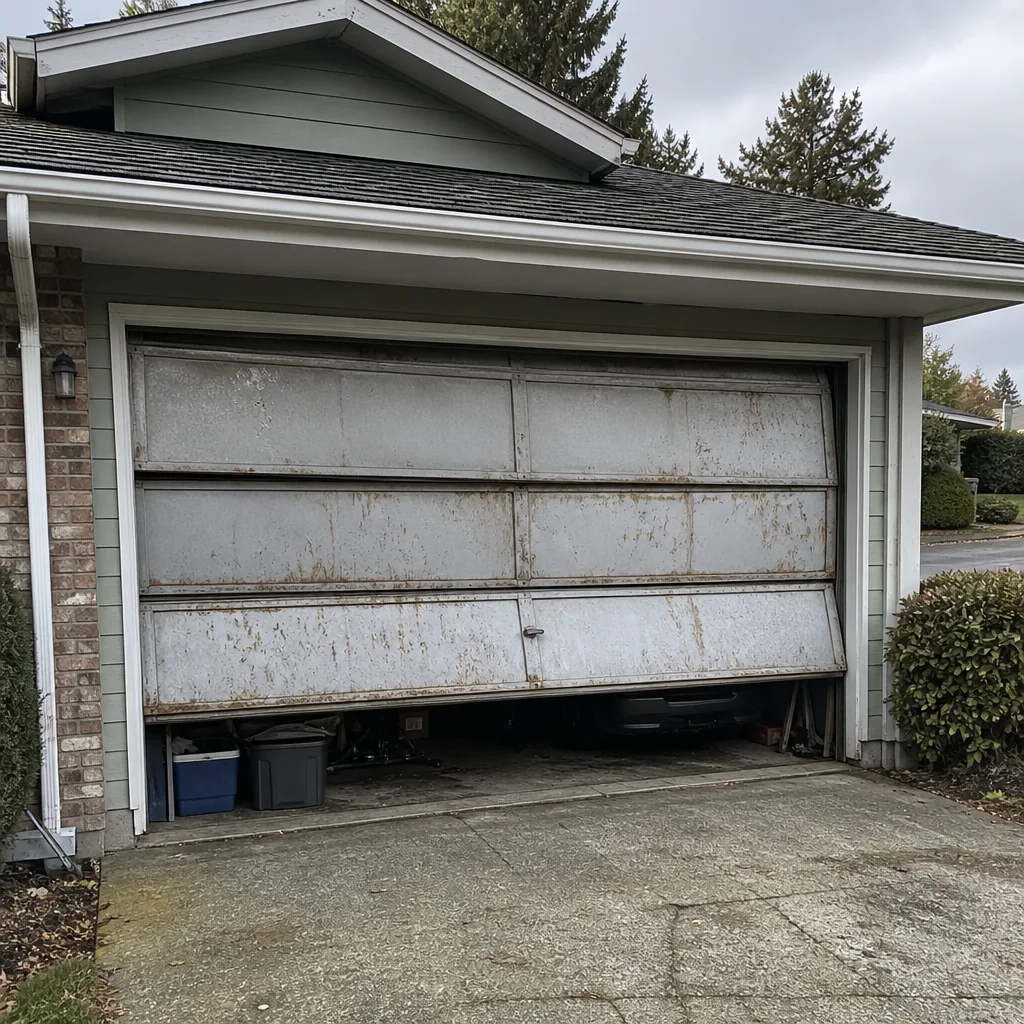 Before
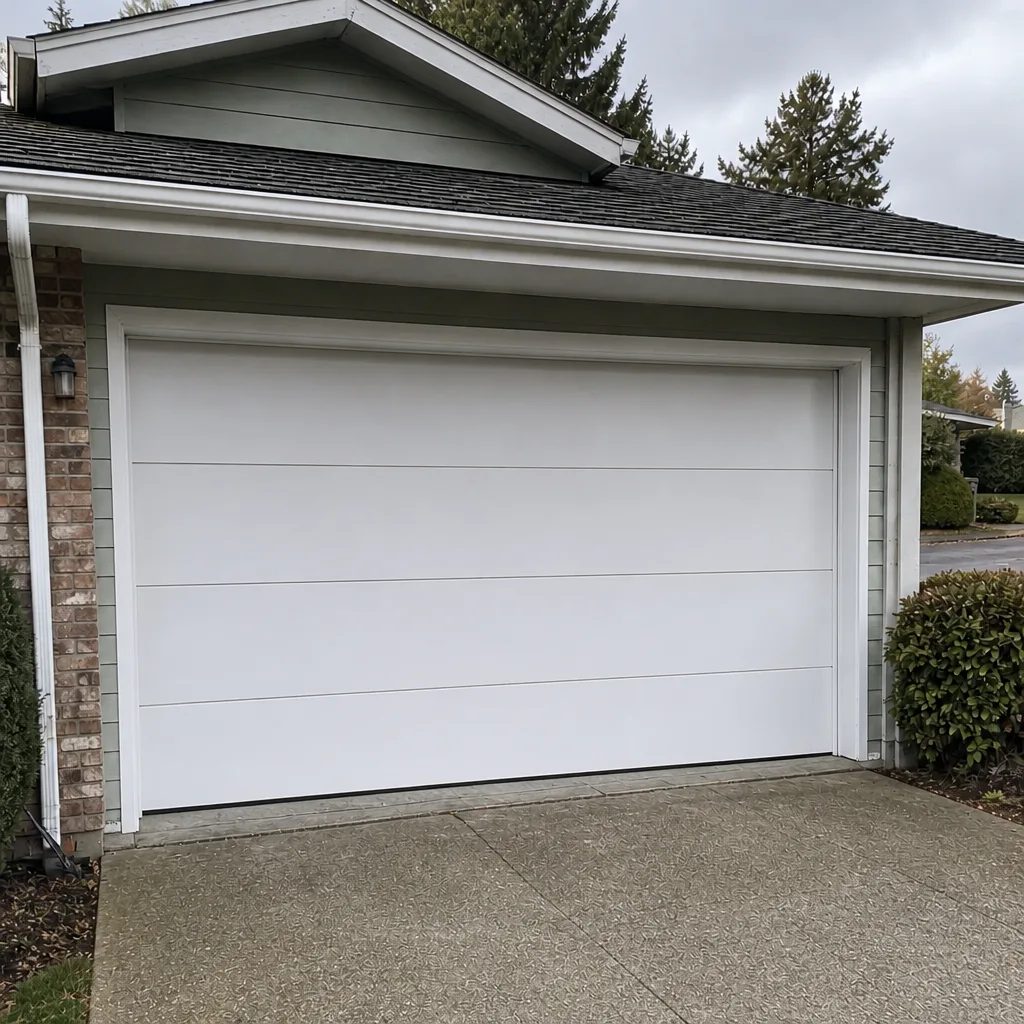 After
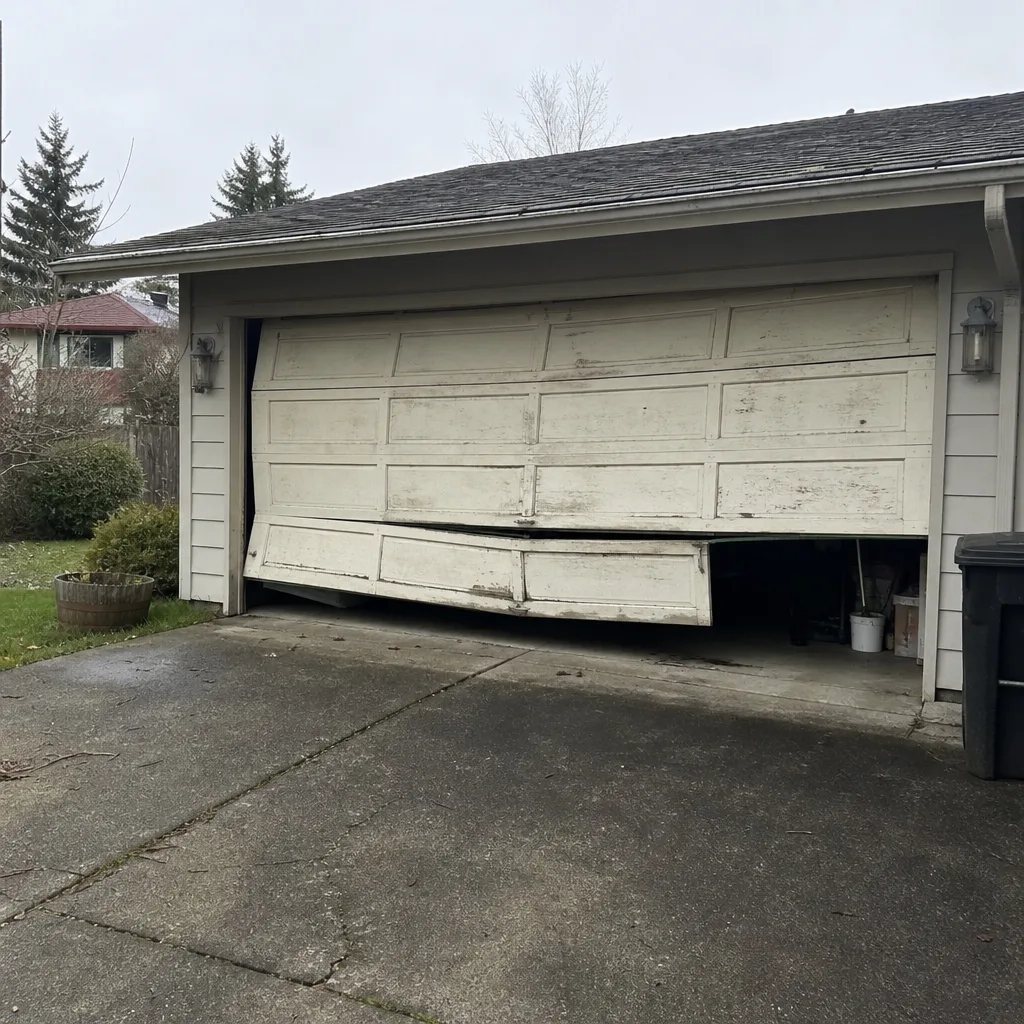 Before
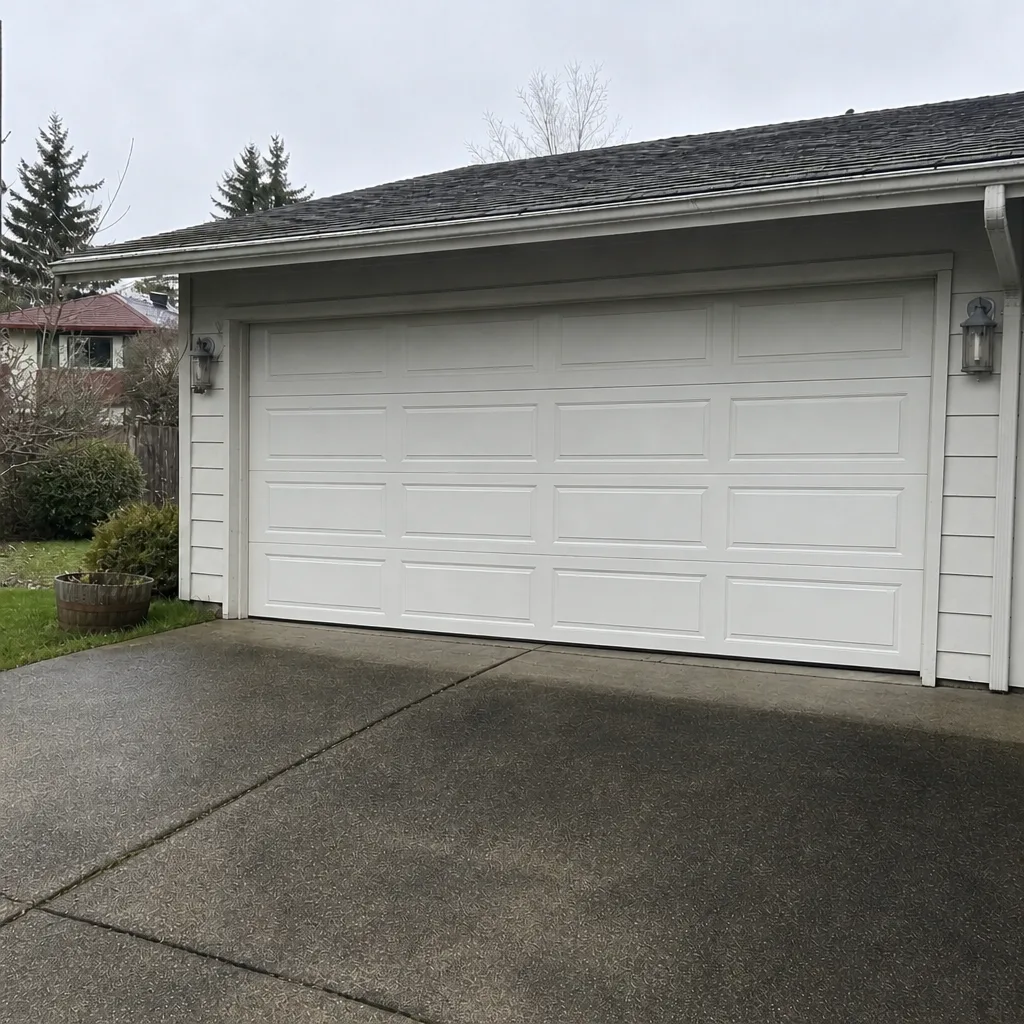 After
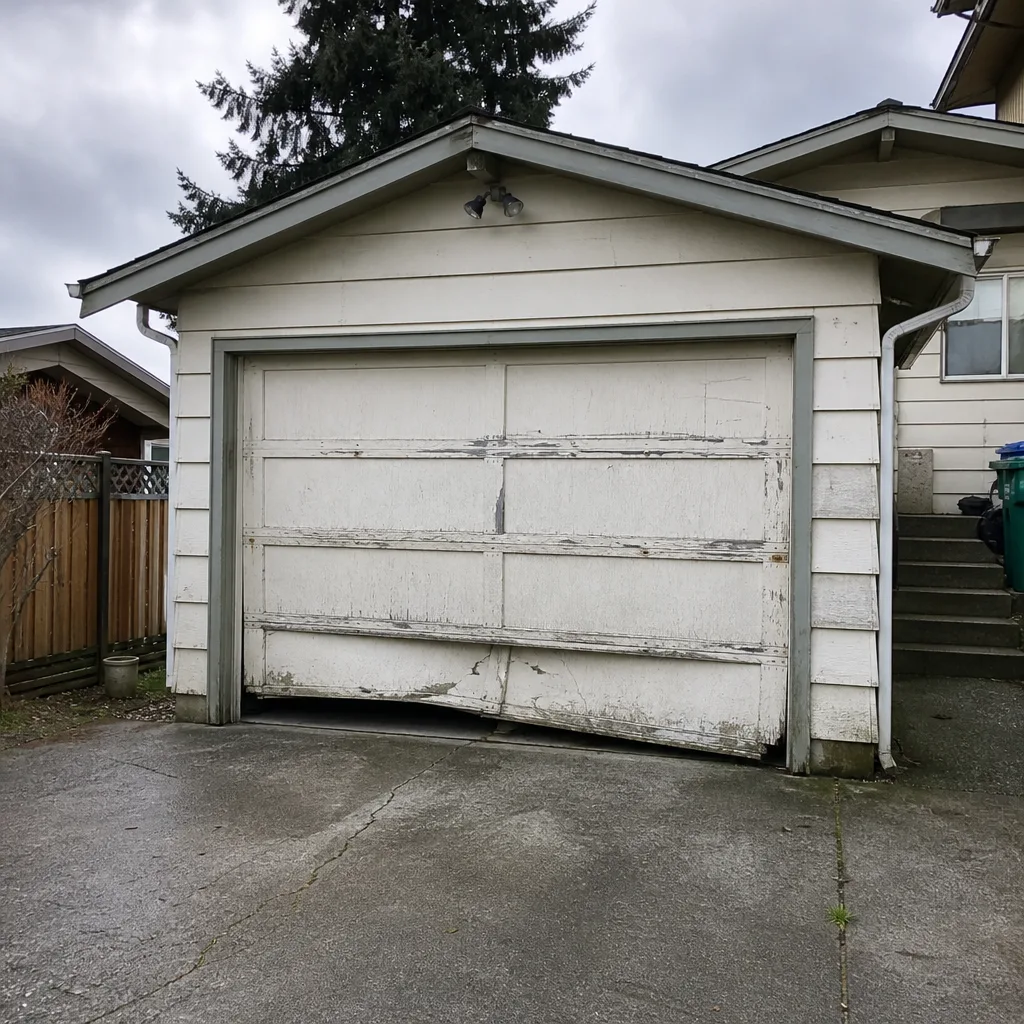 Before
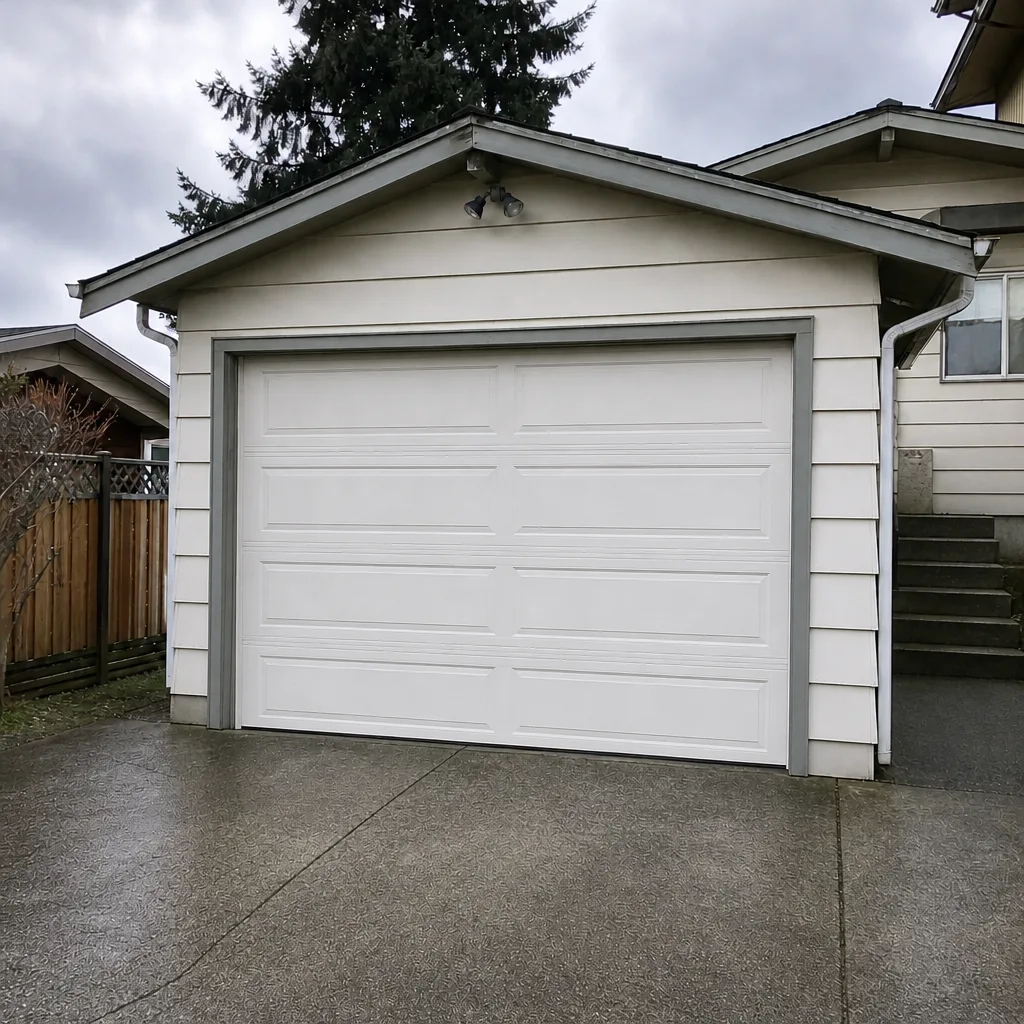 After
When to Call a Professional
Some garage door issues are genuinely fine to leave for a while – a squeaky roller, a remote that needs re-pairing, a slightly slow-closing door. Others need a professional now. Call a professional if the door won’t reverse when it meets an object, if you can see a gap in a spring or a bend in a track, if the door is heavier to lift than it used to be, if the opener is grinding or making a rhythmic clicking sound, or if the cables look frayed. If the door fell or slammed recently, or if the opener has ever failed to stop at the bottom, call before using the door again. These are the situations where the system is telling you something is wrong, and where the cost of waiting is higher than the cost of the call. Shoreline Garage Door Repair Co offers free estimates in Shoreline. Call (877) 792-6834 to schedule a diagnostic visit, and the estimate will come in writing before any work starts. Our technicians have up to 12 years of experience, and we work on the brand you already own – Clopay, Amarr, Wayne Dalton, Craftsman, LiftMaster, Chamberlain, Genie, and Raynor. Back in working order is the goal; replacement only when necessary.
Frequently Asked Questions
Garage door repair in Shoreline typically runs in the low hundreds for basic repairs like rollers, hinges, track adjustment, and sensor alignment, with opener work and spring work priced separately because they involve different parts and different skills. The written estimate is what sets the actual price, and it should be agreed before any work starts. Call (877) 792-6834 for an exact quote – estimates are free.
We can let you know what’s available when you call, and we book repair visits as quickly as we can – but we don’t promise same-day service on a schedule we haven’t confirmed. The honest answer depends on what’s on the board that day and what your job needs. Call (877) 792-6834 and we’ll tell you what we can do. For work that needs parts ordered or a measure, we’ll schedule a visit and a written price rather than a same-day promise.
No, not without your agreement. The written estimate is the price, and the technician won’t start work until you’ve approved it. If something unexpected turns up mid-job – a fraying cable, a cracked hinge – the technician stops and re-quotes before touching anything. You’ll never get a final invoice larger than the number you agreed to. Call (877) 792-6834 for a free estimate.
The local pros we connect you with are licensed and insured as their state requires, and you can verify registration through Washington’s Department of Labor & Industries before any work begins. Ask for the registration number on the written estimate, because that’s exactly what it’s for. Call (877) 792-6834 with any questions about the contractor setup.
Straightforward repairs and replacements of an existing garage door typically don’t require a permit, but anything that alters the structure around the opening – widening it, changing header framing, or modifying the wall assembly – usually does. Ask the City of Shoreline’s building department directly, because the answer depends on what’s actually being changed. Call (877) 792-6834 if you’re unsure how to categorize the job.
Keep the door closed and call a professional. A broken spring means the door’s weight is no longer supported, and the opener will strain to lift a door it can’t handle. Don’t try to open the door by hand, and definitely don’t attempt spring repair yourself – springs are the most dangerous part of the system. Call (877) 792-6834 and we’ll book a spring repair visit.
The Bottom Line
Hiring a garage door contractor in Shoreline comes down to one thing: finding someone who diagnoses before they quote. A repair specialist listens to the door, checks the spring and cable condition, tests the opener and safety sensors, and writes up findings before touching a tool. A generalist reaches for a form. Verify contractor registration and insurance, ask about diagnostics on the first call, get a written estimate with line items, read the negative reviews for patterns rather than stars, and confirm the price is agreed before any work starts. Do those steps and the most common complaint – the same problem coming back within six months – becomes something you avoid rather than something you learn the hard way.
Contact
If you’ve read this far and want to move from a guide to an actual appointment, we’re ready when you are. Call (877) 792-6834 for a free estimate, and we’ll book a diagnostic visit for your garage door repair or garage door opener repair in Shoreline. We work on the brand you already own, we show up to fix it rather than sell you something new, and we’ll put the price in writing before any work starts. If the issue turns out to be a broken spring, our garage door spring repair service handles that directly. To learn more about how we work, visit Shoreline Garage Door Repair Co.
Written by the team at Shoreline Garage Door Repair Co.