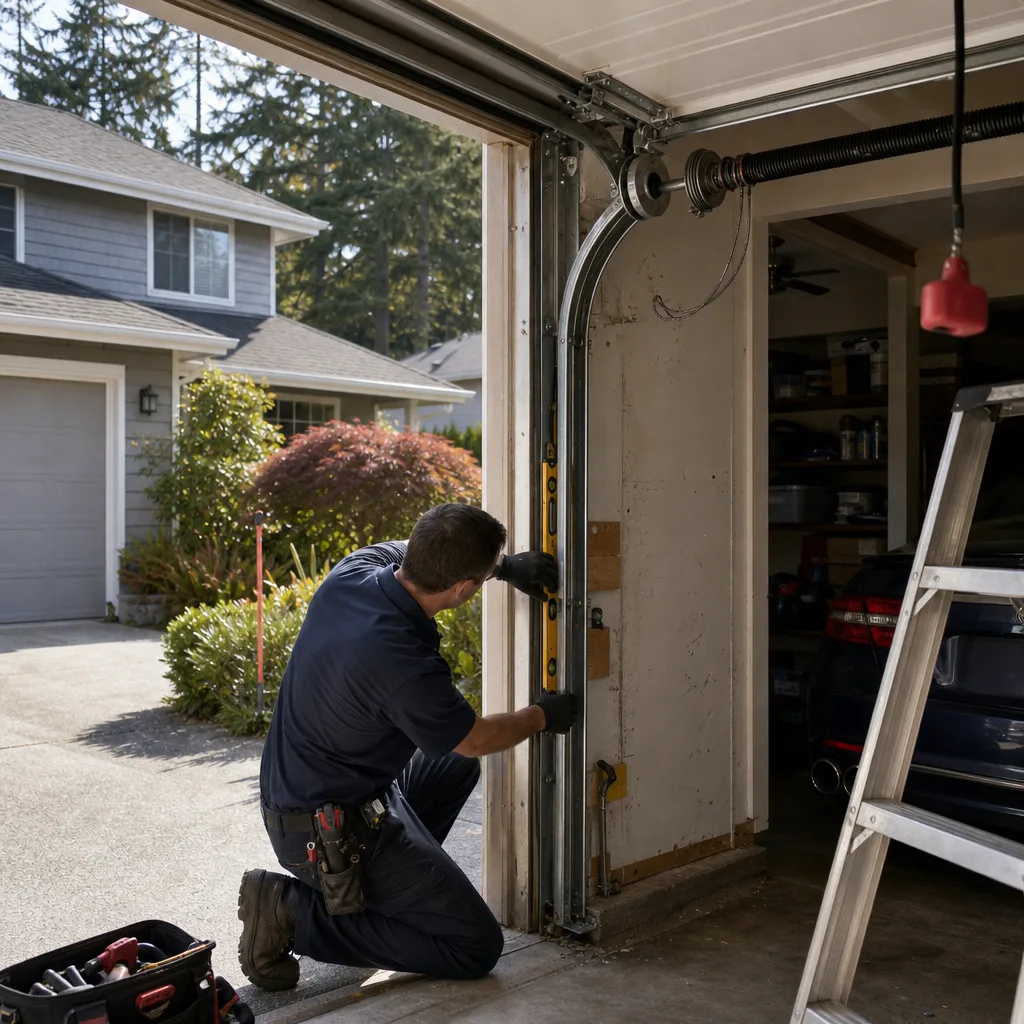
Last updated November 20, 2026
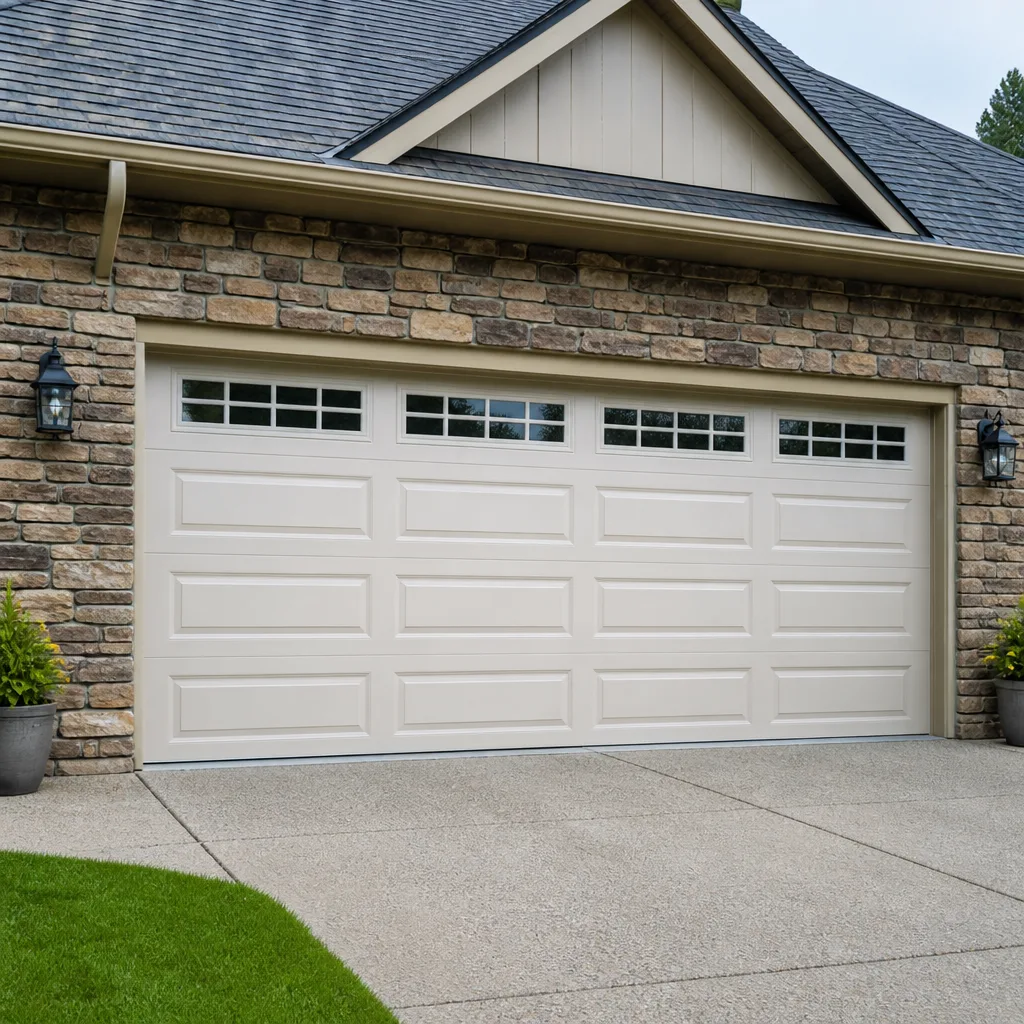 Raised-panel steel
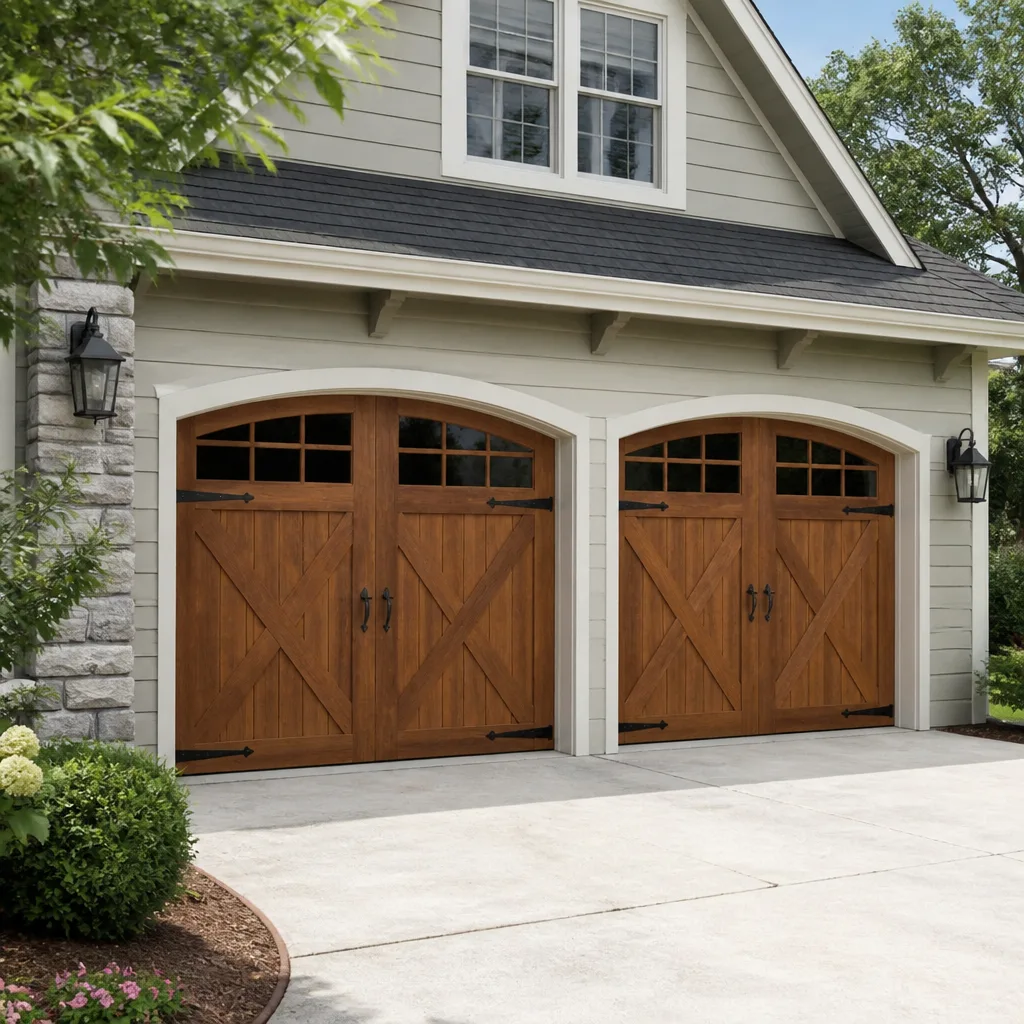 Carriage house
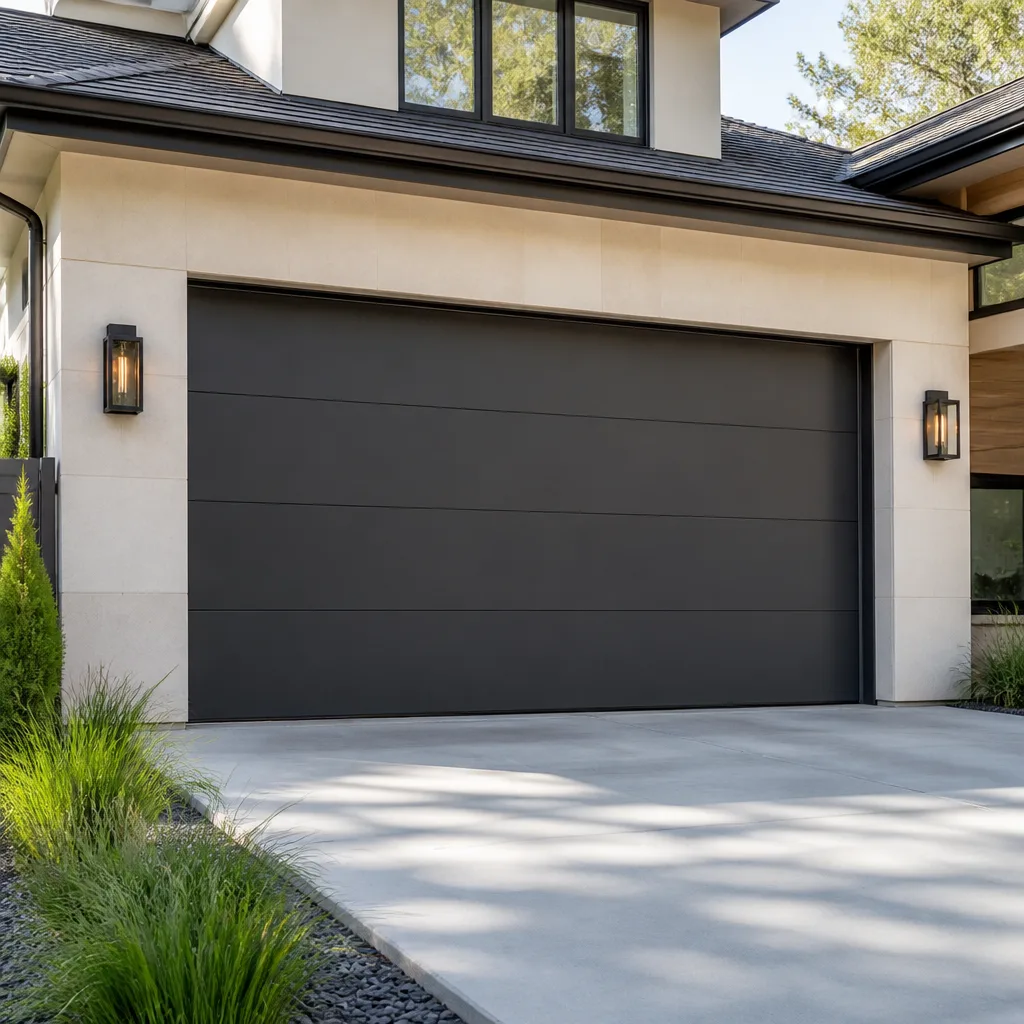 Modern flush
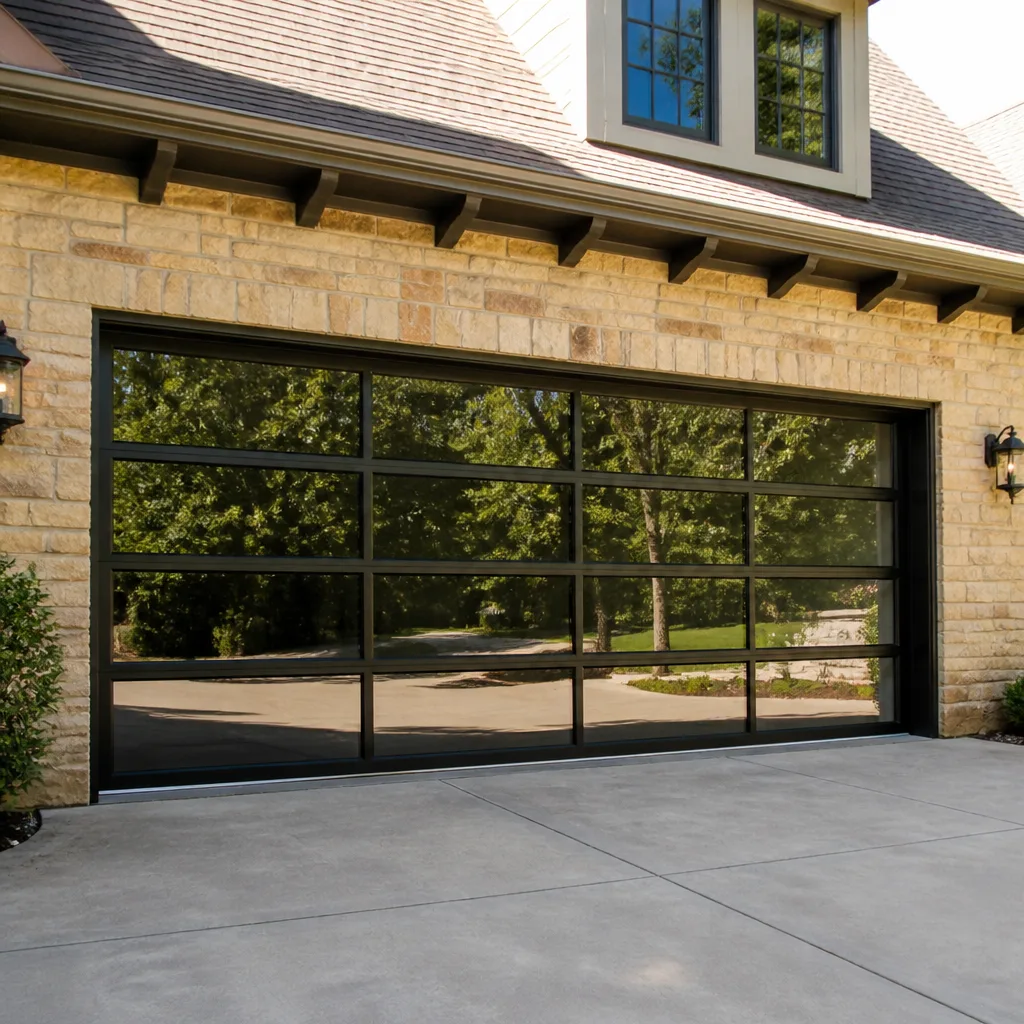 Full-view glass
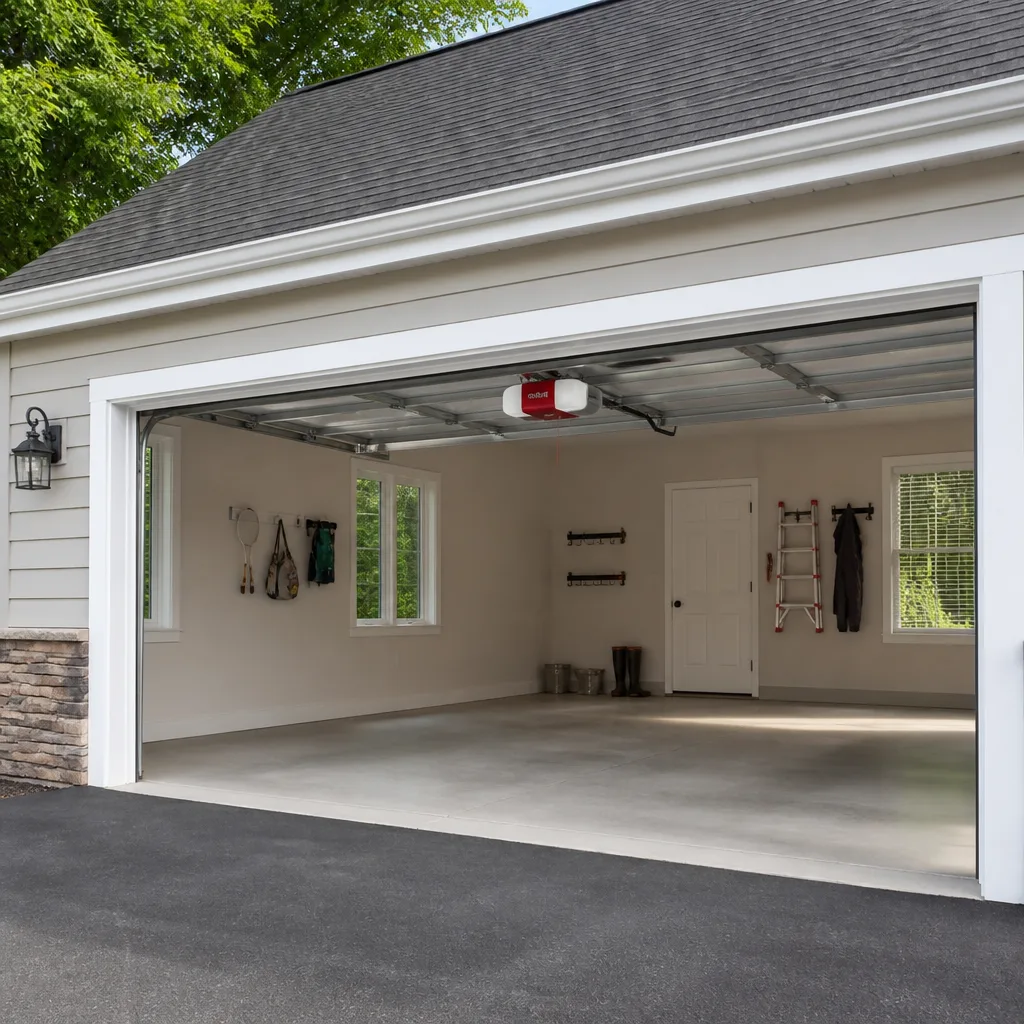 LiftMaster openers
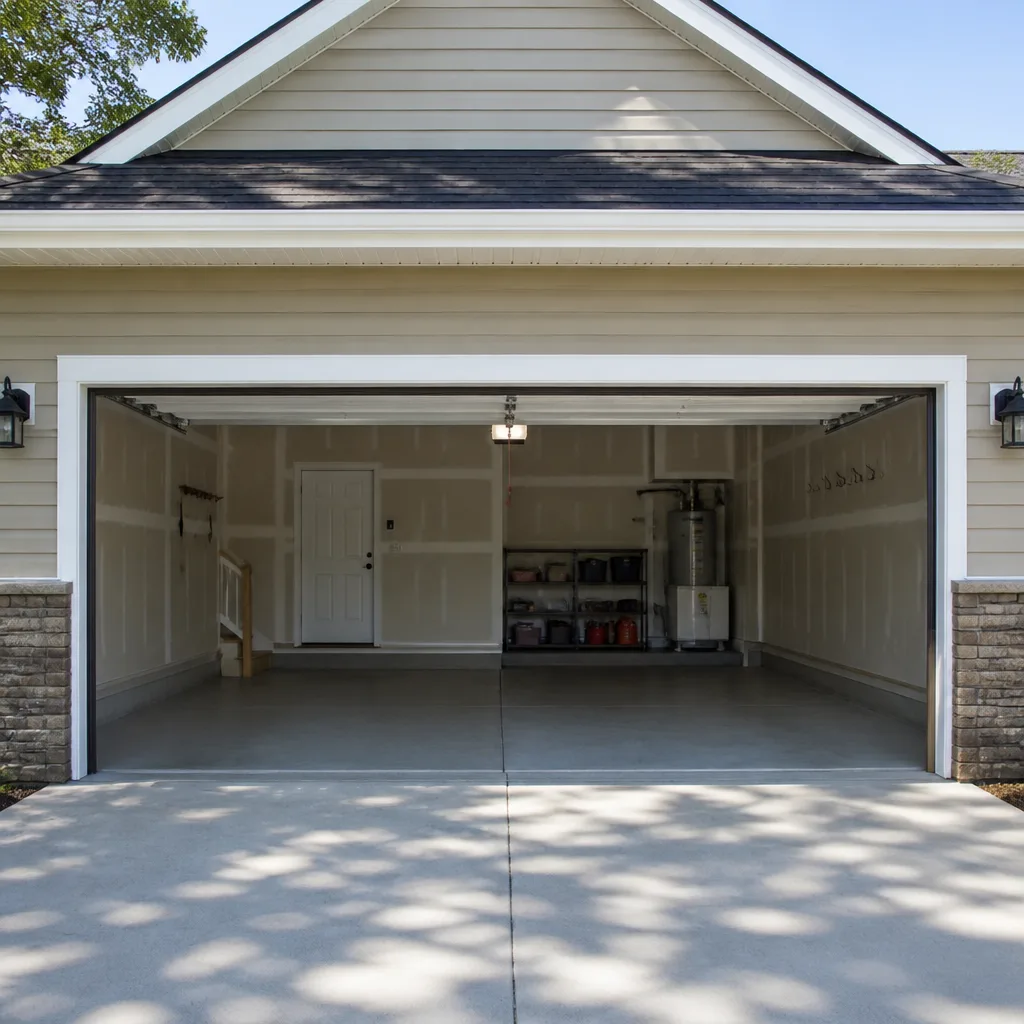 Chamberlain openers
Full 25-point door and opener safety check with every visit - springs, cables, rollers, tracks, and your LiftMaster or Chamberlain opener included
You get a price before we start. It does not change when the pro arrives.
Get your free estimateGarage Door Permits, Codes & Inspections in Shoreline, WA: What You Need to Know
Most Shoreline homeowners assume that swapping a garage door or opener is a no-permit, no-paperwork job. That assumption is where trouble starts. In Washington State, and in Shoreline specifically, a garage door replacement can cross into work that requires a permit, an inspection, and a record on your property file. Skip that step and the consequences don’t show up until you sell the house or file an insurance claim. This guide walks through which projects need a permit in Shoreline, what inspectors actually look at, how to check that your contractor pulled the right paperwork, and what to do when something’s already been done without it. We fix garage doors for a living, and this is the permit-and-inspection side of the job that hardly anyone explains upfront.
Quick Answer
In Shoreline, WA, replacing a garage door or opener with a like-for-like unit usually doesn’t require a building permit, but structural changes to the opening, framing, or electrical work on a new opener circuit often do. Shoreline has its own municipal code layered on top of King County and Washington State rules, so the exact trigger depends on the scope of the job. Always confirm with the City of Shoreline building department before work starts, and always ask your contractor for the permit number in writing. If they can’t produce one, don’t sign.
Styles & brands we work with
- Raised-panel steel
- Carriage house
- Modern flush
- Full-view glass
- LiftMaster openers
- Chamberlain openers
Table of Contents
- Which garage door projects require a permit in Shoreline?
- Why Shoreline’s own municipal code adds a layer
- Openers and electrical permits: the part most people miss
- What inspectors actually check (and how to pass without surprises)
- The real cost of unpermitted work at resale and insurance time
- How to verify your contractor pulled the permit
- Repair vs. replace: when you don’t need a permit at all
- Shoreline neighborhoods and what changes block to block
Which garage door projects require a permit in Shoreline?
A garage door permit in Shoreline is typically triggered by structural or electrical scope, not by the act of swapping a door panel. If you’re replacing a worn sectional door with a new door of the same size and configuration, no permit is usually required. If you’re changing the opening, adding framing, altering a header, or running new electrical for a smart opener, the rules change. Here’s how the work generally breaks down.
Usually no permit:
- Replacing a single sectional door with a new door of the same dimensions and framing
- Replacing a garage door opener with a direct-fit unit wired to the existing circuit
- Repairing a torsion or extension spring, rollers, cables, hinges, or tracks
- Replacing weather stripping, bottom seals, or trim
Often requires a permit:
- Converting a manual door opening to a powered opener where no outlet exists at the opener location (new electrical is a separate electrical permit)
- Enlarging, narrowing, or raising the opening, which changes the header and framing
- Structural repair around the opening, header, or jambs
- Converting a garage into living space, which is a whole-house remodeling permit
The distinction matters because a garage door is a structural component. It carries loads through its tracks and header. Shoreline’s inspectors want to see that any change to that assembly was framed and fastened to code. For a same-size swap, that’s not usually in play. For anything that changes the opening, plan to permit it. When we handle garage door repair in Shoreline, we tell customers upfront which jobs fall into each column before we touch anything.
Why Shoreline’s own municipal code adds a layer
Shoreline isn’t a King County unincorporated area. It’s a city with its own building department and its own municipal code, which adopts the Washington State Building Code with local amendments. In practice, that means the answer to “do I need a permit?” depends on the Shoreline code, not just King or state rules. If you call King County to ask, you’ll get the wrong answer for a property inside Shoreline city limits.
The city’s rules touch on how garage door work interacts with the rest of the structure. A few things worth knowing:
- Shoreline enforces the state-adopted building code, and the state updates it periodically, so the version your inspector applies may differ from what you read on a 2015 blog post
- Permit review for structural changes goes through the Shoreline building department, not a county over-the-counter desk
- Multiple unpermitted structures or additions on a property can complicate permit review, so best to confirm the status of any existing garage door or opening changes before adding new work
- Contractor registration is a state requirement (Washington L&I), and Shoreline will check that the contractor on record is registered before issuing a permit
The practical rule for Shoreline residents: call the city building department with your address and a plain description of the project. Ask whether what you’re doing crosses into permit territory. Write down who you spoke with and when. If a contractor later tells you a permit isn’t needed and the city says it is, you have a record of the discrepancy, and you can walk.
We work across Shoreline’s residential neighborhoods, from Richmond Beach down through Echo Lake and Meridian Park, and the permit answer is the same block to block. It’s about scope, not geography. Still, confirm with the city for your specific address, because overlay zones and prior unpermitted work on a property can change the review.
Openers and electrical permits: the part most people miss
A new garage door opener often needs an electrical permit, separate from any building permit. That’s the piece almost no homeowner thinks about. If you’re swapping a LiftMaster, Chamberlain, Genie, or Craftsman opener for a new model with the same voltage and a direct connection to an existing dedicated outlet, no electrical permit is usually required. If the install requires a new outlet, a new circuit, hardwiring, or moving the opener wiring, the electrical work falls under a separate electrical permit.
This trips up Shoreline homeowners because openers are often replaced as part of a broader upgrade: new opener, new smart-home integration, a battery backup unit, or a Wi-Fi connected model. Those are common with the brands we service, including LiftMaster and Chamberlain. The opener itself is a mechanical install. The electrical side is a licensed electrician’s job, and it’s permitted separately.
Here’s how to think about it:
- Direct-swap opener, existing outlet: no electrical permit usually required.
- New opener, new outlet at the ceiling: electrical permit required, pulled by a licensed electrician.
- New opener, existing circuit extended or rerouted: electrical permit required.
- Opener repair (board, motor, sensor, remote): no permit, this is repair only.
If your garage door opener repair in Shoreline is on the repair side of that line, we handle it without any permit hassle. If you’re moving wiring, we’ll tell you to bring in a licensed electrician and pull the electrical permit, because that’s not our trade and it’s not something to shortcut. If you want to know whether a fix is enough, we can diagnose it with garage door opener repair.
What inspectors actually check (and how to pass without surprises)
A garage door inspection by a municipal inspector focuses on structural attachment, egress, and safety hardware, not appearance. If the permit was pulled, the inspector arrives at a specific stage of the work to verify framing, attachment, and the door’s operation against code. For a like-for-like swap that required no permit, no inspection happens. For structural or electrical work, expect one or more visits. This is what they’re looking at.
- Header and framing: is the opening framed to code, with a properly sized header and studs that match the load
- Fastening: are tracks and brackets anchored into solid framing, not drywall, with appropriate fasteners
- Bottom brackets and cables: are safety features in place and correctly installed
- Spring system: torsion vs. extension, containment if the installation calls for it, correct size relative to door weight
- Auto-reverse: does the door reverse on contact with an obstruction, and does the pressure-sensor setting meet the standard for the opener model
- Photo-eye safety sensors: are they aligned, wired, and operating at the required height above the floor
- Electrical connection: is the opener on a dedicated circuit, properly grounded, with no exposed conductors (this is where the electrician’s inspection happens)
- Fire separation: if the garage is attached, does the wall between garage and house meet the required fire-rated assembly after any opening change
The surprising one is fire separation. Shoreline has a lot of attached garages, and if you’re enlarging or changing the door opening on the shared wall, the fire-rated wall and door need to hold up. Inspectors care about that more than they care about whether the door matches your house. It’s a safety requirement, not a style one.
Passing without surprises comes down to two things: get the framing and electrical right the first time, and have the safety reverse and photo-eye sensors set correctly before the inspector arrives. If we’re doing a repair on a door that’s going through a separate inspection for other work, we set the sensors and reverse correctly as part of the repair so nothing fails on that item. Our technicians have up to 12 years of experience, and every one of them has set up more door-open close sequences than we can count.
The real cost of unpermitted work at resale and insurance time
Unpermitted garage door work can cost you far more at resale or claim time than the permit itself would have cost upfront. Washington real estate transactions require seller disclosure. When you list a Shoreline home, the seller’s disclosure form asks about unpermitted work, additions, and repairs. A buyer’s inspector who spots framing changes around the garage opening with no permit on file can flag it, and the buyer can ask you to permit it retroactively, credit them for the cost, or walk. And during an insurance claim, an adjuster who finds unpermitted structural or electrical work tied to the loss has grounds to deny or reduce the payout. That’s the part nobody warns you about upfront.
The permit itself is a modest line item. The exposure is not. Here’s what “unpermitted” actually costs:
- Disclosure risk at sale: buyers ask, lenders ask, and inspectors look. Unpermitted structural work on a garage opening is a red flag that invites further scrutiny
- Retroactive permitting: a city inspector has to review work that’s already covered up, sometimes requiring opening of finished framing to verify it, which costs more than doing it right the first time
- Insurance claim complications: if a garage-related loss (fire, water intrusion, structural damage) traces back to unpermitted electrical or structural work, the insurer may deny, reduce, or exclude coverage for that loss
- Negotiated price reduction: if the buyer discovers the issue during inspection, they have leverage to ask for a credit or price drop
None of this is speculation. It’s the standard Washington real estate and insurance process. It’s also why we tell Shoreline customers, before any structural or electrical work on a garage door, to ask their contractor the direct question: “Are you pulling the permit, and can I see the number?” If the answer is vague, that’s a problem to solve before work starts, not after.
How to verify your contractor pulled the permit
Never take a contractor’s word that they pulled the permit. Verify it yourself in about ten minutes. In Shoreline, permits are issued by the City of Shoreline building department and tracked in the city’s permit system. You can look up a permit by address or by permit number, and you can see the scope, the contractor on record, the status, and the inspection history. Here’s how to check, step by step.
- Ask for the permit number in writing before work starts, in a text or email. A real permit number is issued, not promised.
- Confirm the contractor on the permit matches the company you hired, not a subcontractor you’ve never heard of. Washington requires the contractor to be registered with L&I, and the permit record will reflect that.
- Look up the permit on the City of Shoreline permit portal by address or number. Verify the scope matches the work being done and the status is active, not expired or withdrawn.
- Ask for the inspection record at closing, showing the final inspection passed. A permit that was never closed out isn’t worth much at resale.
- Request the signed permit and final inspection report as a document you keep with your home records, along with the door or opener installation paperwork.
One more habit worth building: ask your contractor who is doing the electrical work, if any, and confirm that person holds a current electrical license. The building permit and electrical permit are separate, and the contractor pulling the building permit isn’t always the one pulling the electrical. If the answer is unclear, pause.
If you’re ever unsure and want a plain read on whether the work in front of you needs a permit, call the city building department directly. The staff are used to the question. Bring your address and a specific description of the scope. You’ll get a clearer answer than any website can give you.
Repair vs. replace: when you don’t need a permit at all
Most garage door work is repair, and repair doesn’t attach a permit to your property record. Spring replacements, cable replacements, roller swaps, opener board replacements, sensor realignment, and track adjustment don’t change the structure or the electrical, so the permit question doesn’t come up. That’s the majority of what we do, and it’s the reason a repair-first approach usually saves Shoreline homeowners the whole permit conversation.
Spring repair is the clearest example. A torsion spring is under enough tension to be dangerous if it lets go, and a trained technician handles the wind-up and release with the right tools. That’s a repair, not a replacement, and no permit applies. Weighing a repair against a replacement is a separate decision, and a good technician can tell you whether your existing door, tracks, and hardware have enough life left to justify a repair rather than a replacement. When we do a garage door spring repair in Shoreline, we don’t hand you a new-door quote along with it.
The permit question really only shows up when you’re changing the door’s dimensions, its support structure, or the electrical side. Here’s the quick contrast:
- Repair: springs, cables, rollers, hinges, tracks, sensors, opener boards, opener motors, remotes, weather seals. No building permit, no electrical permit.
- Like-for-like replacement: a new door or opener of the same size and configuration, connected to existing framing and existing power. Usually no permit.
- Structural or electrical change: opening size, framing, new electrical outlet or circuit. Permit required, and you should confirm with Shoreline before work starts.
That middle category, like-for-like replacement, is where a lot of Shoreline homeowners get nervous because they hear conflicting advice. The honest answer is: it depends on the exact scope, and the city is the authority. If your contractor tells you a like-for-like swap needs a permit, ask why, and verify with the city. If they say it doesn’t, verify that too. It’s a five-minute check.
Shoreline neighborhoods and what changes block to block
Shoreline’s neighborhoods aren’t all built the same, and the garage situation varies by age and style of home. Knowing this helps you anticipate what a contractor will find when they arrive. A few general observations from working across the city:
- Richmond Beach and the western part of Shoreline: many homes are older, with older garage structures and sometimes original 1940s-1960s door hardware. Repairs are common here, and replacements usually stay within the existing opening, which keeps the permit question simple.
- Meridian Park and Ridgecrest: a mix of mid-century homes and newer builds. Attached garages are common, which means fire separation matters if any structural change to the door opening is on the table.
- Echo Lake and Highland Terrace: more varied lot sizes and more multi-door garages. When a replacement involves enlarging an opening to fit a wider door, that’s the kind of job that crosses into permit territory.
- The eastern edge, toward Lake Forest Park and Kenmore: lot and slope differences can come into play with header and framing, which is another structural-change trigger.
The one thing that doesn’t change from neighborhood to neighborhood: the brands. Shoreline homes hold LiftMaster, Chamberlain, Genie, Clopay, Amarr, Wayne Dalton, Craftsman, and Raynor equipment, and the door brand is independent of the permit question. Whether your door is a Clopay or an Amarr doesn’t change whether you need a permit; only the scope of the work does.
What does change locally is the volume of unpermitted work that shows up on older properties. Shoreline has changed a lot over the decades, and an older garage might have framing or electrical that predates the current code and was never permitted. If you’re buying in Shoreline, ask for the permit history on the property. If you’re selling, resolve unpermitted work before listing, not after an offer is on the table.
Common Mistakes to Avoid
- Assuming “it’s just a garage door, no permit needed.” The door panel swap usually doesn’t need one, but changing the opening or adding electrical does. Confirm the scope with the City of Shoreline before work starts.
- Hiring a contractor who says “we don’t pull permits for garage doors.” That’s fine for a repair, but if there’s structural or electrical work in the job and they won’t pull a permit, hire someone who will.
- Not asking for the permit number in writing. A verbal promise isn’t a permit. Get the number, look it up on the Shoreline portal, and confirm the scope matches.
- Letting the contractor be the only one who knows the electrical scope. The building permit and electrical permit are separate. Make sure the electrical side is licensed and permitted, not just “wired up by a helper.”
- Doing a retirement upgrade and forgetting the disclosure at sale. A new door with an unpermitted framing change can become a seller’s headache years later. Keep the permit packet with your home records.
- Confusing repair with replacement. If a spring, cable, or opener is the problem, no permit is involved. Get a repair quote before accepting a new-door quote.
- Trusting an out-of-date blog for the current Shoreline answer. Washington’s adopted codes get updated periodically, and Shoreline’s municipal code sits on top. Call the city building department for the current version that applies to your address.
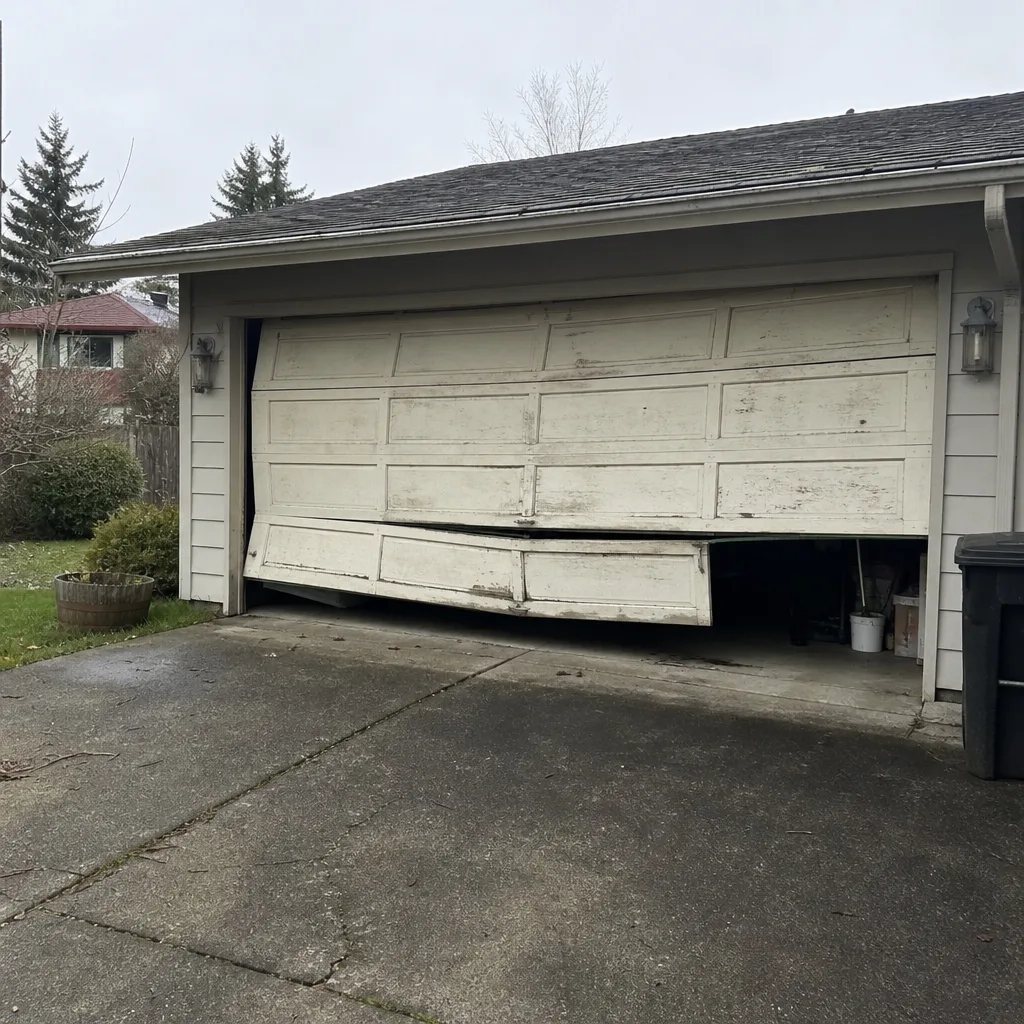
See the difference
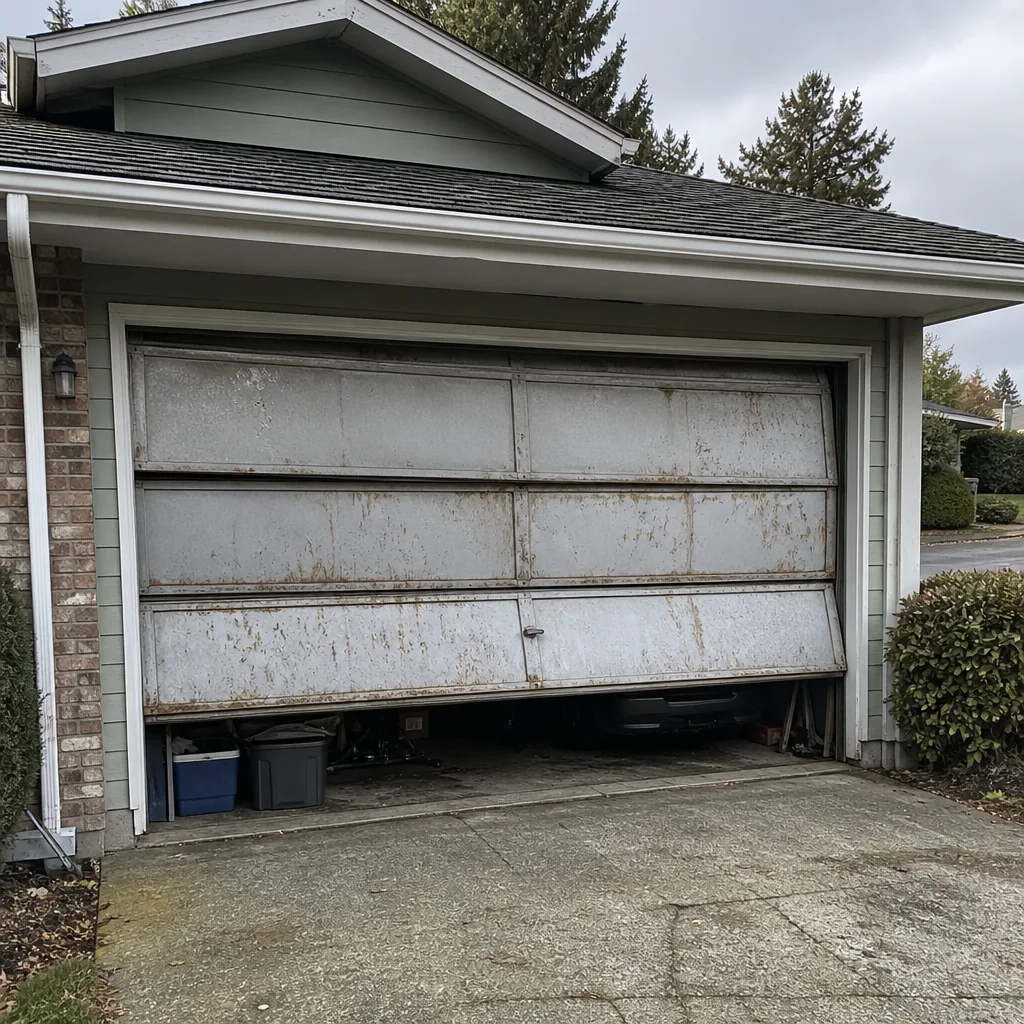 Before
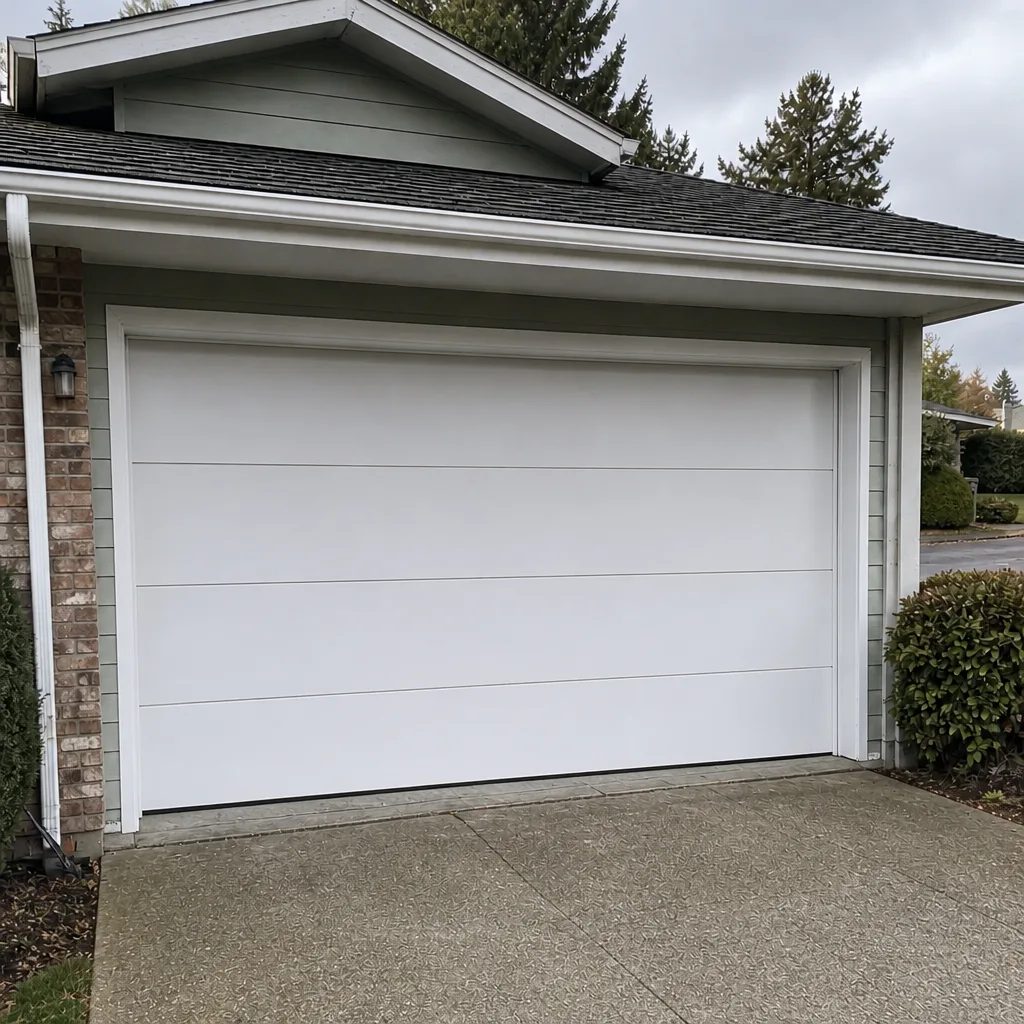 After
 Before
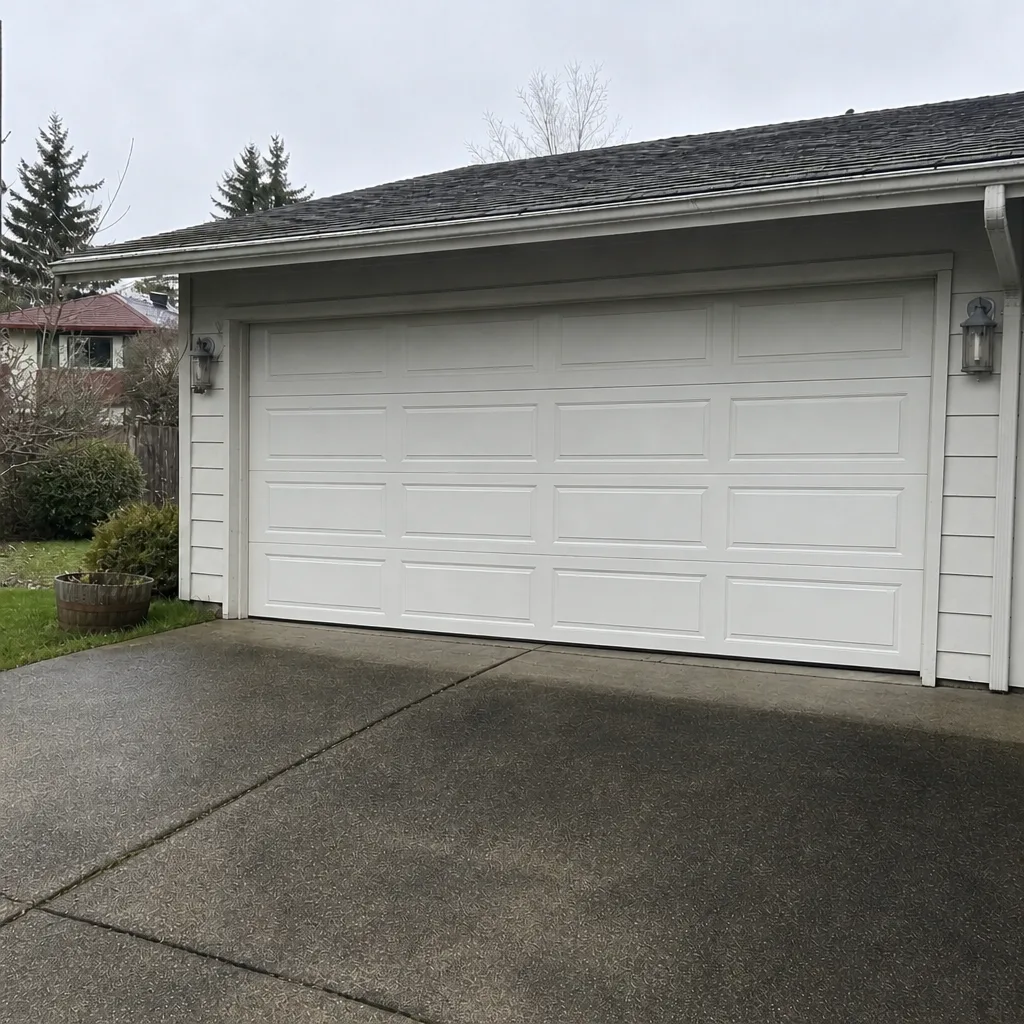 After
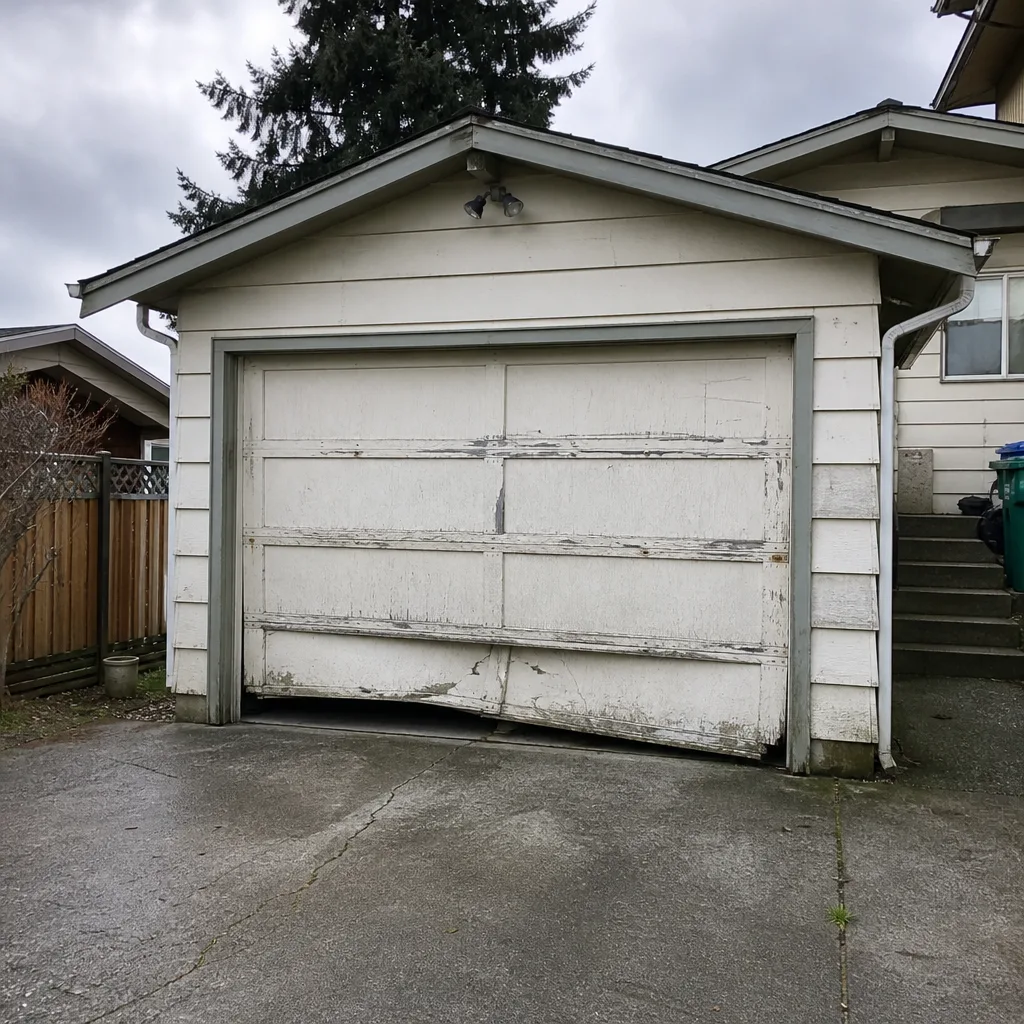 Before
 After
When to Call a Professional
Some garage door work is genuinely a homeowner’s job or an electrician’s job; most isn’t. Call a professional when a torsion spring breaks or the door comes off its track, when a cable snaps or hangs loose, when an opener motor, board, or sensor fails, or when the door won’t reverse on contact. Those are the situations where the safety risk is real and a trained technician makes the difference. Our technicians have up to 12 years of experience with the eight brands most Shoreline homes have installed, and we come out to diagnose, not to sell. Shoreline Garage Door Repair Co offers free estimates in Shoreline, and our garage door repair team can tell you plainly whether a repair will do the job. Call (877) 792-6834 for an estimate.
A garage door is a heavy, spring-loaded machine. A torsion spring can kill. Cables under tension can cut. Opener wiring is a live electrical circuit. If anything in that list is what you’re looking at, don’t try to fix it yourself, and don’t let a general handyman touch it either. A trained garage door specialist is the right call for a real repair, and if the work happens to involve a permit, that specialist will tell you so before they start.
Frequently Asked Questions
Usually no, if you’re replacing a door with a like-for-like unit of the same size and configuration connected to existing framing. If the replacement changes the opening, the framing, or involves new electrical, a permit is often required. Confirm with the City of Shoreline building department for your specific address before work starts. Call (877) 792-6834 for an exact quote on the door work itself; estimates are free.
It depends on the electrical scope. A direct-swap opener connected to an existing dedicated outlet usually doesn’t need an electrical permit. If the install requires a new outlet, new circuit, hardwiring, or rerouting of existing opener wiring, an electrical permit is usually required, pulled by a licensed electrician. The mechanical install of the opener and the electrical permit are separate matters. Call (877) 792-6834 for an estimate on the opener work.
Ask for the permit number in writing, then look it up on the City of Shoreline permit portal by address or permit number. The record will show the scope, the contractor of record, and the inspection status. Confirm the contractor on the permit is the company you hired and that the final inspection passed before you consider the job closed. If anything is unclear, call the city building department directly.
Washington requires seller disclosure of unpermitted work, and a buyer’s inspector who spots unpermitted structural or electrical changes around the garage opening will flag it. The buyer may ask you to permit it retroactively, ask for a price credit, or walk away. A permit that’s on record and closed out with a final inspection is the cleanest answer. Call (877) 792-6834 for an estimate on any repair work before listing.
It can, if the loss traces back to unpermitted structural or electrical work. The permit itself is a small part of the risk. The bigger exposure is a denied or reduced claim when the adjuster finds unpermitted work tied to the damage. Shoreline homeowners should keep the permit and final inspection with their home records. Call (877) 792-6834 for an estimate on the door work itself.
Yes. Spring repair, cable replacement, opener board replacement, sensor realignment, and other repair work don’t attach a permit to your property record. That’s most of the work we do. If your goal is to get back in working order without the permit question, a repair is the path. Call (877) 792-6834 for a free estimate on a repair.
The Bottom Line
In Shoreline, the permit question comes down to scope, not to whether the job is about a garage door. Repair work (springs, cables, rollers, openers) never needs a permit. A like-for-like door or opener replacement usually doesn’t either. Structural changes to the opening, new framing, and new or extended electrical do need permits, and Shoreline’s own municipal code is the authority, layered on top of King County and Washington State rules. Verify the permit yourself, ask for the number in writing, and never take a contractor’s word for it. The permit is cheap; the resale and insurance exposure is not. If you need a repair and don’t want to fuss with permits at all, call (877) 792-6834 for a free estimate.
Shoreline Garage Door Repair Co handles residential garage door repair, opener repair, and spring repair across the brands most Shoreline homes own, including LiftMaster, Chamberlain, Genie, Clopay, Amarr, Wayne Dalton, Craftsman, and Raynor. We work on the door you already have, and we’re set up to fix it, not to push a replacement. If a job needs a permit, we’ll point you to the city and to a licensed electrician for the electrical side. If it’s a repair, we’ll quote it in writing before any work starts. Contact Shoreline Garage Door Repair Co for a free estimate on your garage door repair, or call (877) 792-6834 today.
Written by the team at Shoreline Garage Door Repair Co.